constitutional marketing & target groups, publications, children & youth
GEN Z – How They Really Tick at Work!
Ines Imdahl
Gen Z – The Youngest Generation in the Labor Market Young people and young adults are at the center of much research. Ines Imdahl, owner and founder of the research institute Rheingold Salon, has also intensively studied this age group. Today’s youth, with its various subcultures and trends, is shaping the future of work. Ines Imdahl explains various currents and trends in terms of lifestyle and examines how they could affect tomorrow’s working world.
Gen Z and Its Subcultures: Insights from Research Gen Z’s Consumer Behavior: Fast Fashion & Secondhand Trends So far, Ines Imdahl, head of the Institute for Market and Cultural Research, has conducted five studies examining those born between 1997 and 2010. Their subcultures are highly diverse and multi-layered. "One of the biggest trends driven by Gen Z is fast fashion," she explains. "Young people constantly feel they aren’t dressed modern enough, which is why they order almost weekly from providers like Shein, currently flooding Europe with cheap clothes," says the expert. But how does that align with sustainability? "Compared to other generations, Digital Natives are the least sustainable in their behavior," she says.
The second major trend is secondhand shopping. But again, climate isn’t the motivator. "They want something unique that no one else has." Young people queue for hours in front of shops as soon as new merchandise from the US arrives.
The same goes for music: it’s all about individuality. "Teens organize secret raves in cities. The exact location is announced just one hour before the event. The cool part: today, anyone can be a DJ," Imdahl says.
Self-Optimization as a Coping Strategy Why Gen Z is Focused on Self-Styling Not only fashion and music play a huge role for young employees—their physical appearance is also highly important. "Gen Z grew up in crisis mode. That gives them the feeling they’re living in a world they can’t control," says the expert. "They try to regain control by focusing on their bodies." In other words, Gen Z processes existential anxiety through surface-level control.
This "self-modeling" happens on several levels, according to Imdahl. "No other age group spends as much on cosmetics," she says. In one study, 85% of participants said that beauty products give them "security and control." 73% said personal grooming is extremely important—this applies to all genders. In fact, more young men than ever are wearing makeup.
Body optimization is also rising: In 2023, four million young people in Germany had gym memberships—four times more than a decade ago. Gen Z is also surprisingly open to cosmetic surgery. "Most procedures aren't among 45-year-olds, but 18- to 19-year-olds," says the researcher.
Challenges for Employers: How to Handle Gen Z Gen Z and the Working World: Expectations vs. Reality "Gen Z is very focused on itself, which complicates the transition to adulthood," says Imdahl. "We've never had so many school and university dropouts." At the same time, the ongoing war for talent has triggered a form of grandiosity among young people. Imdahl speaks of "a kind of omnipotence fantasy": "I can just choose whatever I want." "As a psychologist, I’d say: when someone feels completely powerless, they may swing to feeling all-powerful."
"I believe Gen Z will only grow up when employers stop handling them with kid gloves," Imdahl adds.
Parents also contribute to this reluctance to grow up, by being overly understanding. "You don't always have to be your child’s best friend," says Imdahl, who is herself the mother of four Gen Z children. Instead, she advocates for constructive confrontation and allowing young people to experience consequences—a recommendation that also applies to employers.
She warns against relying too heavily on perks like remote work and flexible hours. "Gen Z primarily wants structure and security. They often interpret so-called freedom as instability or exploitation," Imdahl notes. A common reaction from interviews: "They don’t even meet in the office regularly—probably just using me."
Employer Branding Is Key So, what motivates Gen Z to apply for a job? "Young people want to feel that what they’re doing has meaning. That’s why employer branding is crucial," Imdahl says. There’s still a lot of room for improvement when it comes to promoting values like diversity, inclusion, or support for women.
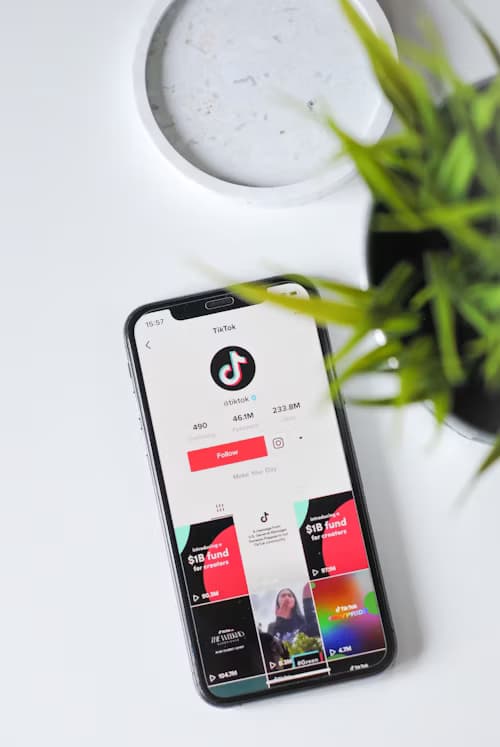
Since Gen Z’s "self-modeling" also includes narcissistic self-presentation on platforms like TikTok and Instagram, Imdahl recommends using these platforms for recruiting. But with a word of caution:
"Anyone who tries too hard to seem hip or trendy is immediately dismissed by Gen Z," she warns.
Conclusion: What Employers Need to Know About Gen Z Gen Z thinks and behaves differently than previous generations. Companies that understand their values and invest in strategic employer branding can position themselves successfully and attract young talent.
Picture: hrm.de