publications, culture & society
World champion or idiot? Hare or hedgehog?
Jens Lönneker
The Fatal Dream of German Superiority in the Corona Crisis
It's a bit like the fairy tale of the hare and the hedgehog: After Germany had been exemplary and leading the way in pandemic management for a long time, suddenly the nations that initially seemed to have little competence from a German perspective were ahead. Suddenly, the supposed losers were the winners in vaccination and much more successful. There are certainly various reasons for these developments. However, the way crises are managed also reveals psychological differences between nations and their cultures. What peculiarities can be observed in the German approach? A psychological essay.
In Germany, a yardstick is predominantly applied, according to which the country must be better and superior to other nations. However, if Germany does not have a top position in the nation comparison, not only lateral thinkers spread anger, despair, and insecurity. In the background, a collective coping mechanism can be identified that is intended to provide security but in practice often hinders rather than promotes the management of the corona: It is an arrogant perfection narrative that has been told in the country for years on other occasions with often fatal consequences: Either the Germans are admired world champions or at least on the way there, or they are crashingly failing fools. There are hardly any nuances in this narrative, as can also be seen in the psychological chronology of the corona crisis. The analogy to the story of the hare and the hedgehog is not only superficially exciting.
The Beginning: German Arrogance as Psychological Self-Protection
At the beginning of the pandemic, wearing masks in Asian countries was initially smiled at and mostly classified as nonsensical, among other things because the viruses were smaller than the gaps in the tissue of the masks and could supposedly still spread. Corona infections were also initially classified by official bodies as not very worrying or at least no more dangerous than flu infections.
In the nation comparison, the Germans also saw themselves as better positioned: The Italians allegedly had fewer intensive care beds, the English were negligent from a German perspective, the then US President Trump acted chaotically... The German reactions were therefore strongly characterized at the beginning by not taking the corona infections too seriously and talking themselves up: Arrogance as psychological self-protection.
At the beginning of the story, the hare also made fun of the hedgehog and its crooked legs, not taking it and its abilities seriously. In the fairy tale, it says: '"You probably think," said the hedgehog to the hare, "that you can do more with your legs?" - "I think so," said the hare.'
Great Skill at the Start: Exemplary German Virtues and Self-Discipline Lead to Great Initial Successes in 2020
In the further course of 2020, these positive self-assessments were challenged by the increase in corona infections. The danger was gradually recognized and now treated with the help of classic German secondary virtues: Discipline, restriction, community orientation, and renunciation helped to successfully contain the spread of the virus. In the fairy tale of the hare and the hedgehog, the hare also starts brilliantly. Literally, it says about the hare's run: "And off he went again like a whirlwind, so that his ears flew around his head."
The German coping recipe thereby set up a kind of psychological equation: The more pleasurable activities the individuals sacrifice in favor of the secondary virtues, the more success, recognition, and praise. Psychoanalytically formulated: The original pleasure in celebrating, going out to eat, being together was shifted to the pleasure gain of achieving German superiority with three advantages: infection security, external admiration, and the possibility of looking down on or criticizing others. The formula: Security and pleasure gain through superiority.
In Germany, people were proud of the successes and willing to sacrifice even more pleasurable activities for them. As late as January 2021, rheingold salon for Germany was able to formulate the finding: "There is a new social desire for hardness and self-mortification. From the consistent attitude in dealing with Corona, an overbidding competition is emerging in the public opinion, in which ever more far-reaching, stricter measures are demanded for one's own profiling." Qualitative and quantitative findings at the time showed that almost 80% of Germans supported the lockdown, with about 30% preferring to tighten the measures even further. Internationally, the German crisis management was highly praised, and the Federal Chancellor was presented as a role model not only in the USA.
The German coping recipe consequently focused so strongly on strictness and self-mortification that alternatives were no longer seriously discussed. The strictest became the king in public opinion. Thus, Mr. Söder, who likes to demand more hardness, is considered by voters to be the most attractive candidate for chancellor of the Union, although the facts do not necessarily show Bavaria as a model state in terms of pandemic management. In contrast, his competitor Armin Laschet, in his attempts to find alternative solutions in pandemic management, is described as fickle and not consistent enough and is punished in the polls, although the situation in NRW does not need to shy away from comparison with Bavaria.
From Role Model to Fool: Frustration and Anger in February / March 2021
In February / March 2021, however, there was a phase that did not seem to fit this thesis and the findings from January at all. Because many Germans obviously pleaded for a relaxation of the corona measures and a return to public life. A YouGov survey commissioned by dpa spoke at the beginning of March of a turnaround after a majority of 60% of Germans wished for a relaxation of the lockdown for the first time. In the survey values - for example, in the Infratest Dimap surveys from mid-February to mid-March 2021 - this was also manifested in a significant increase in approval values (15% to 30%) for the statement that the corona measures go too far.
What had happened? In the qualitative rheingold salon surveys in February, the interviewees expressed great disappointment that other countries such as England, Israel, and the USA were vaccinating much faster and that German self-discipline had "brought nothing." In view of the successes of other nations, many of those surveyed now suddenly had the impression of standing there like the fool in the fairy tale. Discipline and renunciation in Germany therefore brought mainly disadvantages but no advantages. And as in the fairy tale, the accusation was in the air that there was trickery: "That's not right."
The fact that others were suddenly faster showed that there were better ways to succeed. These ways included - as with the hedgehog - breaking existing rules, trying out new, different methods. And the reverse side of the superiority dream was revealed: Stories of fallen world champions and Goliaths are loved. A world champion quickly becomes a fool if he only relies on secondary virtues and adheres to the existing rules.
Nevertheless, the sum of people who consider the corona measures to be appropriate or even demand more extensive restrictions remained stable at around 70% and upwards in the survey period from January to March 2021. Because the strictness was not only fueled by the desire for superiority but also by the necessity of security. And the third corona wave with its rising incidence numbers rolled in. But where to go with the desire for superiority? The citizens now claimed this for themselves. Sascha Lobo formulated it like this: "I now make and follow my own rules."
Turning Against Politics in Mid-March 2021
The principle of self-mortification was thus transformed into a new narrative: According to this, the citizens are not doing so badly in their great majority. Politics has screwed it up. Consequence: Frustration and anger at the political leadership. Above all, the CDU is clearly punished by the voters. In the political leadership, those who advocate hardness and consistency win, not those who advocate flexibility and experimentation. These are currently mainly the Greens and Markus Söder. Among the Green voters, there is also the highest acceptance of stricter measures. Psychologically, this is understandable because the motives for the strict German arrogance are ultimately insecurities about one's own abilities.
In analogy to the fairy tale, it can be formulated that the German hare has not yet given up and clings to its superiority principle: "So the hare ran seventy-three times more." If one follows the story, the prospects of winning in this way are not rosy: "The hedgehog always endured it with him."
March 2021: Strictness as a Hindrance - Diversity as an Opportunity?
In March, in view of the frustration towards the political leadership, a short phase nevertheless developed in which a diversity of different approaches struggled over the question of how Germany could once again achieve a better handling of the pandemic. Regionalization was a possible way: Regional differences pressed for political consideration, state leaders tried to gain influence; alternative local model solutions with daily tests were developed. But also new candidates for chancellor were brought into play. It seemed as if a little more pleasure orientation, mobility, and smartness - as the hedgehog and his wife bring into play - could find its way into the German crisis management.
Beginning of April / Mid-April: The Lockdown Repetition Compulsion
The diversity is frightening, unsettling, and classified as chaos. The German hare therefore does not give up and joins the federal lockdown: Through it, the events are largely centralized again, and the principle of self-mortification continues to be applied. This also closes the psychological scope for alternative success models.
Strictness can, however, also be an indication that the methods used are not working properly. The hope is then that one does not have to change the familiar methods and patterns but only apply them more strictly. This can hinder the learning of more successful methods from other nations: Diversity and apparent chaos may also contain opportunities: For example, pharmaceutical purchasing professionals were employed in England who procured the vaccines past the usual orders and state organizations. In the USA, on the other hand, military competence and "Think Big" approaches are gladly used in national emergencies - in case of doubt, much more vaccine is procured than is supposedly needed. Courage to waste instead of thrift as a secondary virtue. Israel has long been digitally on the move, while Germany is still discussing the Luca app.
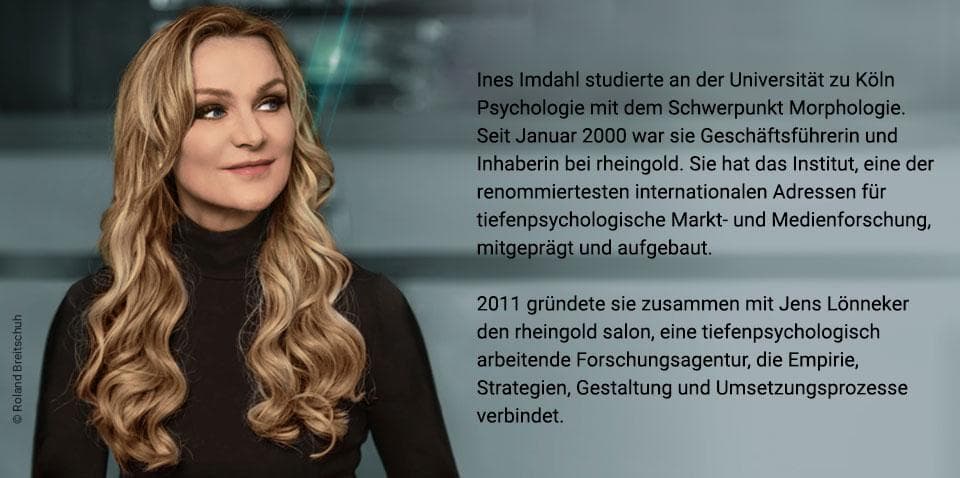
Alternatives to the world champion/fool narrative are needed. The dream of German superiority will otherwise become a fatal hindrance. It leads to more or less suppressed anger or great fatigue, as Ines Imdahl points out in a contribution. The strictness inhibits, binds creative energy, and leads to clinging to outdated recipes. It massively undermines the acceptance of politics and its decisions. The hare ran 73 times - until he died. I think one should rather stop applying the same lockdown method again and again in Germany, believe less in permanent own superiority and allow more hedgehog methods. The price for this is initially a lower feeling of security, but the reward is better solutions and actual security in the long run. This also requires a goal. The American president also wants to make Independence Day on July 4 the day of the liberation of the USA from the corona virus. The hedgehog wanted gold and brandy in his bet. These are attractive goals. Permanent superiority may be a dream but not a goal.
Also appeared in planung&analyse
& in the Newsletter des Kölner Presseclubs
Image: Pixabay