publications, culture & society, digitalization & media
Future Farmer
lönneker & imdahl rheingold salon
An article about the rheingold salon study "Agriculture after the Corona Shock" has been published in the Wochenblatt für Landwirtschaft und Landleben. The entire article in full:
The Future Farmer
Does agriculture have the chance to find new appreciation in society in the wake of the Corona pandemic? A study raises hope.
by Anselm Richard
The message is not simple. But it does convey the impression that the fronts between farmers and the rest of society could be softened. Perhaps in the future it will actually be possible to awaken new appreciation for agriculture among the population and anchor it permanently.
Parallel Worlds
Jens Lönneker, psychologist and managing director of the rheingold salon company in Cologne, comes to the conclusion in a study that the Corona crisis represents an opportunity for agriculture. Truth and previous perception are not turned upside down, but there is movement. According to Lönneker, the starting point is as he explained at the WLV board meeting on October 8: Agriculture has moved further and further away from the general public over time and is hardly present in their everyday reality. There are no contact points, and so both sides live side by side like parallel worlds. The images of the other side rarely correspond to reality. The most problematic aspect is that farmers and the population mutually accuse each other of having outdated images of agriculture. Farmers accuse consumers of naivety because they supposedly cling to the ideal of a Bullerbü idyll. Consumers, in turn, accuse farmers of exploiting and destroying nature.
And because consumers expect agriculture to change without any disadvantages for consumers, but farmers see themselves being driven to "exploitation" by consumers, they pass the buck to each other.
Most consumers do not perceive agriculture in their everyday lives, or only rarely.
Ultimately, both sides believe they are right and have the right point of view. The responsibility always lies with the others. The vicious circle cannot be broken even by conveying scientific knowledge and facts. Consumers have often been asked whether and how much they would be willing to spend more on food if, in return, production would be more sustainable and environmentally friendly. The rheingold salon study proves: 15% of consumers simply say "no", another 29% of those surveyed would. Spend a maximum of 5% more than before, another 32% would be willing to pay 10% higher prices. So three-quarters of consumers with a maximum (!) of 10% willingness to pay more. That's sobering.
Five different models
In order to break this generally unpleasant cycle, new "narratives" must be found that expand solidified images and create a basis that takes both sides with it. A narrative (Latin: narrare = to tell) is a meaningful representation of connections that influence the way the world is perceived. According to Lönneker, new narratives should
- modernize outdated consumer ideas of agriculture,
- continue to convey an attractive idyll and an idea of quality of life to consumers, and
- recognize farmers as economic managers, excellent experts and thus as part of the general public.
What farmers and their families actually do and what their tasks are is usually clear to them. Consumers too, but not always the same. Lönneker and his colleagues have developed or filtered out various variants of the narratives and asked farmers and consumers for their approval or rejection. Essentially, it is about five models:
- The providers or guarantors of security of supply.
- The guardians of creation.
- The regional identity creators
- Quality of life.
- The future designers.
To anticipate the result: The "future designers" received the greatest approval ratings from the consumers surveyed. The farmers were also able to identify with this very well. Behind this are the following statements, which are essential for the narrative:
- Agriculture means shaping the future. If the future is to be secured for more and more people, the environment, soil and livestock cannot continue to be exploited in such a way that they are permanently damaged.
- Agriculture of the future therefore means more than increasing yields. Agriculture is already producing renewable energies, for example developing potato breeds for saline soils or working on increasing soil quality with the aim of using fewer pesticides.
- Agriculture has always been open to new technologies. The combination of old knowledge and modern technology can strengthen sustainability aspects and protect the environment without sacrificing production volumes. Technology and agriculture could therefore harmonize with each other more than ever in the future."
Social researcher Jens Lönneker explains why farmers and consumers, as he calls it, can find common ground: Farmers feel recognized in an attractive image that goes beyond the outdated Bullerbü-
Imagination. And they see themselves as experts and providers.
A new approach
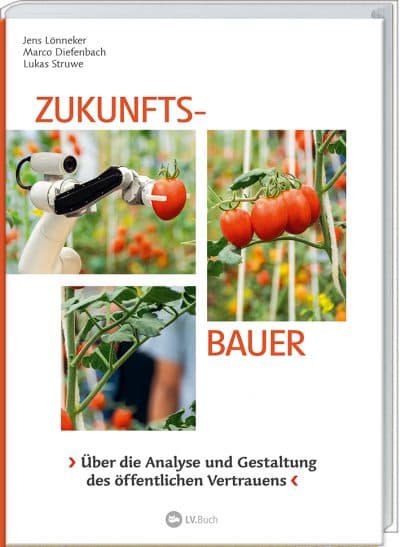
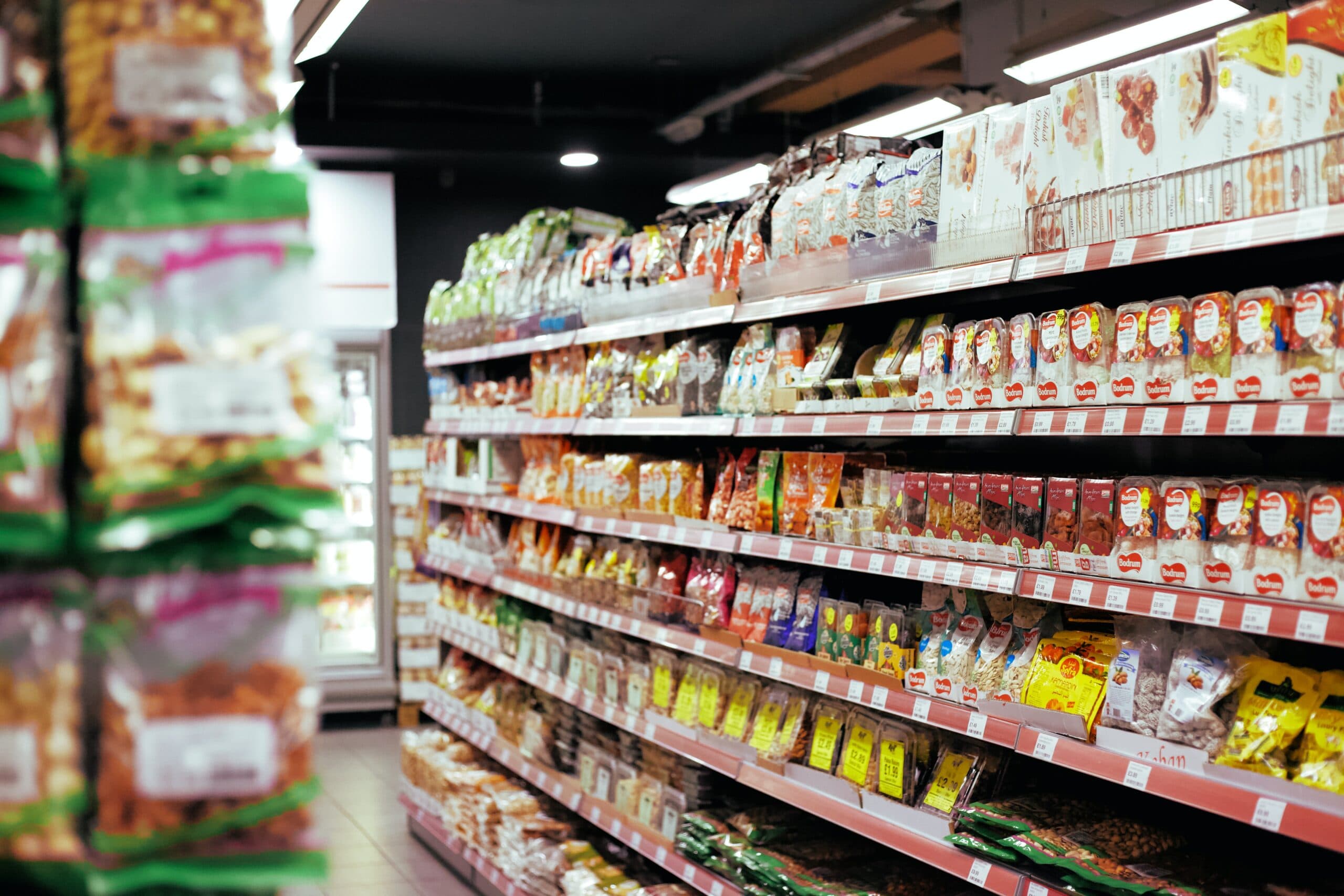
Consumers recognize a new side to agriculture that they were not previously aware of. Technical development opens up the possibility of managing sustainably and gently without endangering security of supply and affordability. Not only the pun that lurks behind the term Zukunft-Bauer (We build the future/We are the farmers of the future) pleases the farmers. They feel confirmed in their self-image. Consumers, in turn, are surprised by new aspects of agriculture and are not repeatedly pushed into the role of Bullerbü lovers. That is why, according to Lönneker, this narrative offers the potential to further develop the image of agriculture. This is a new approach. In the discussion about the relationship between farmers and consumers, however, it must not be forgotten that the sale of the food produced is predominantly not direct, but takes place via processors (butchers, meat product manufacturers, dairies, mills, bakeries, etc.) and ultimately via food retailers ( LEH). The most important criterion when shopping for the LEH is still the price, after that nothing comes for a long time. However, ecology, sustainability, regionality, etc. are increasingly being given priority. This involves new forms of offers or future technologies. Lönneker and his colleagues recommend that farmers' organizations first bundle their forces internally, so to speak, in order to successfully implement the image of the future farmer. In the second step, public relations work would have to be strategically coordinated and coordinated. And thirdly, a center for the relationship and cooperation with the LEH or the further and intermediate processors should be set up,
Out of the defensive
It is clear that the LEH cannot be bypassed. But if agriculture communicates properly with consumers and sets topics there that retailers have to react to, then you will also find a willingness to cooperate there, says Lönneker. This creates a different negotiating position. The future farmer concept will not work without allies. Ideally, a consumer organization would be on board. But some reservations or prejudices would have to be dismantled.
"An opportunity, but not a sure-fire success"
What opportunities does the image of the "future farmer" offer for agriculture? Answers from the author of the study, Jens Lönneker.
**Can farmers and their families be happy? Is there really a new appreciation for
agriculture since the Co-rona pandemic has spread?**
The question can be answered with a clear "yes and no": On the one hand, agriculture is achieving the same high appreciation values as science in the Corona crisis. It is rated better than freight forwarders and politics. In addition, the statement that the personal view of agriculture has changed and that it is given more importance is approved by 72% of Germans. On the other hand, the appreciation values for medical services are significantly higher. And trade also scores clearly ahead of agriculture with citizens. Approval of the statement that agriculture has gained in importance is muted: 44% say they "tend to agree".
In summary, it can be said: Corona opens up opportunities for a new, appreciative look, but for this to happen, agriculture has to do something. It's not a sure-fire success.
Why don't images like "The providers" or "The guardians of creation" work with consumers? Farmers are convinced that this is exactly what they are and that these images describe their elementary tasks.
From the citizens' point of view, German farmers are basically providers - but not alone in a globalized world. As consumers, they are sure that their supermarket can replace German products with others if the worst comes to the worst. In addition, nobody believes that German agriculture will fail completely and everyone will suffer hunger like around the Second World War. From the citizens' point of view, failures in individual divisions can be replaced.
For many, on the other hand, the topic of guardians of creation is too "backward-looking" at a time when it is about our future. Some also find that agriculture not only preserves, but also damages. The elementary tasks of agriculture are seen more in shaping the future.
How can the parallel worlds of farmers and consumers be interlinked? Anyone who knows little about the other does not understand their world. Can pure PR actually help here?
Unfortunately, there are so few points of contact between the two worlds that prejudices and false discrimination are formed. New "bridges" between farmers and consumers are therefore important.
An exciting and surprising field for a "bridge" was that both farmers and consumers show great interest in agriculture participating in a positive shaping of the future with fascinating, innovative concepts: Only just under 30% of those surveyed in both groups believe that agriculture is currently future-oriented, but twice as many - i.e. more than 60% in both groups - would like a future-oriented agriculture.
You are advocating the establishment of a center for the relationship and cooperation between agriculture and trade or the processing industry. How should one imagine such an institution and what tasks should it have?
When it comes to economic relationships, it is not only the citizens, but above all the trade and the processing industry that are the decisive players. Citizens mainly buy what is available in the supermarket. That is why I think it is important to see trade as an important and influential target group, which the processing industry also has to face. This is not just general public relations. Agriculture must understand the needs of the trade and be able to take well-founded positions towards it. A center can help with this. Its potential topic and task areas are diverse: pricing, logistics, assembly, marketing, forming alliances and much more.
Who questioned whom, who financed it?
The study "Appreciation for Agriculture after the Corona Shock" was carried out by "Lönneker & lmdahl rheingold salon GmbH & Co KG" in Cologne. Essential components of the investigation were online group and individual interviews as well as online surveys of 500 consumers (representative) and more than 100 farmers in the summer of this year. The investigation was financed by the Westphalian Landscape Foundation, the German Farmers' Association and the LV Münster Foundation of the Landwirtschaftsverlag.
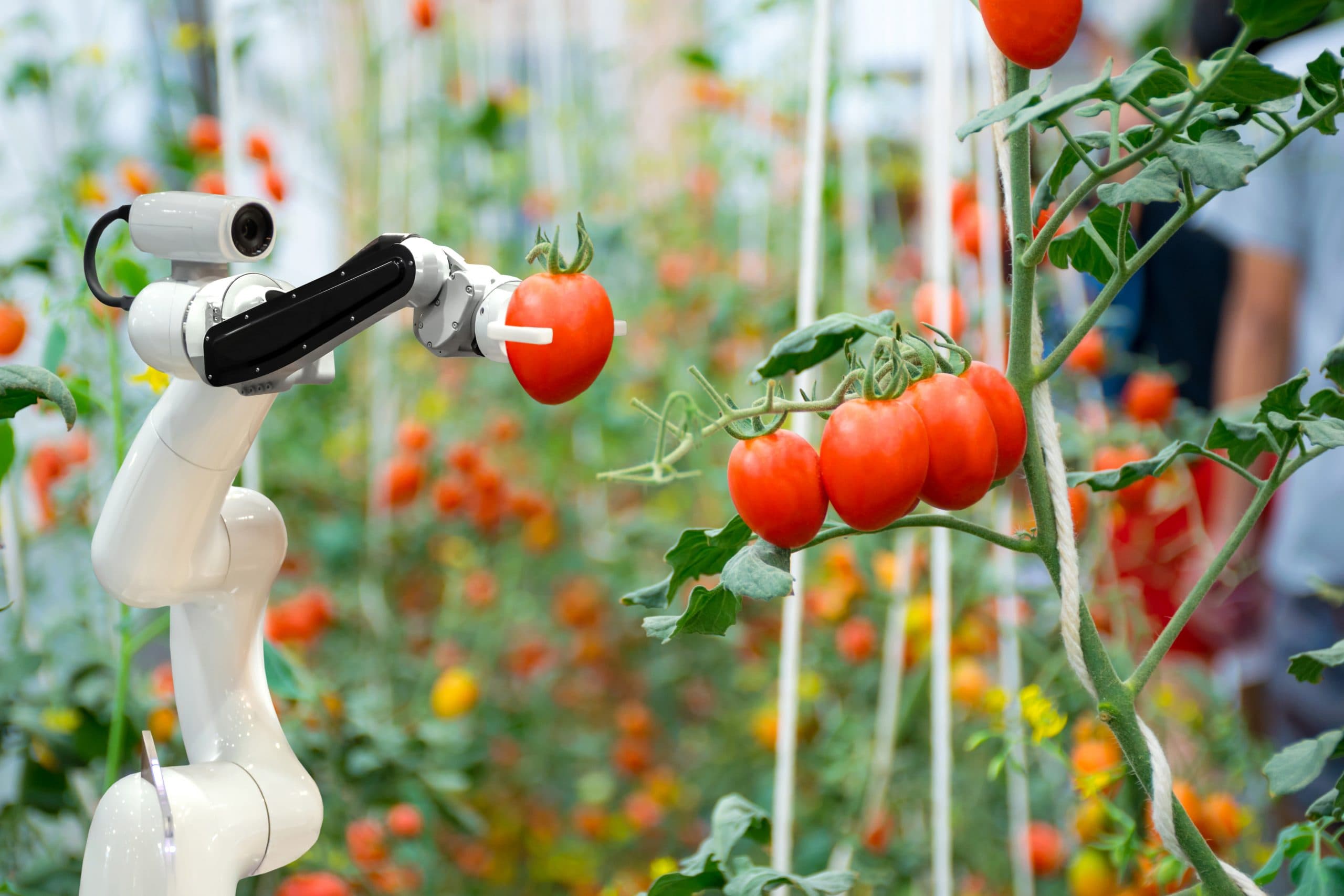
Image note: sompong_tom – stock.adobe.com