publications, advertising & communication, culture & society
A Look Inside
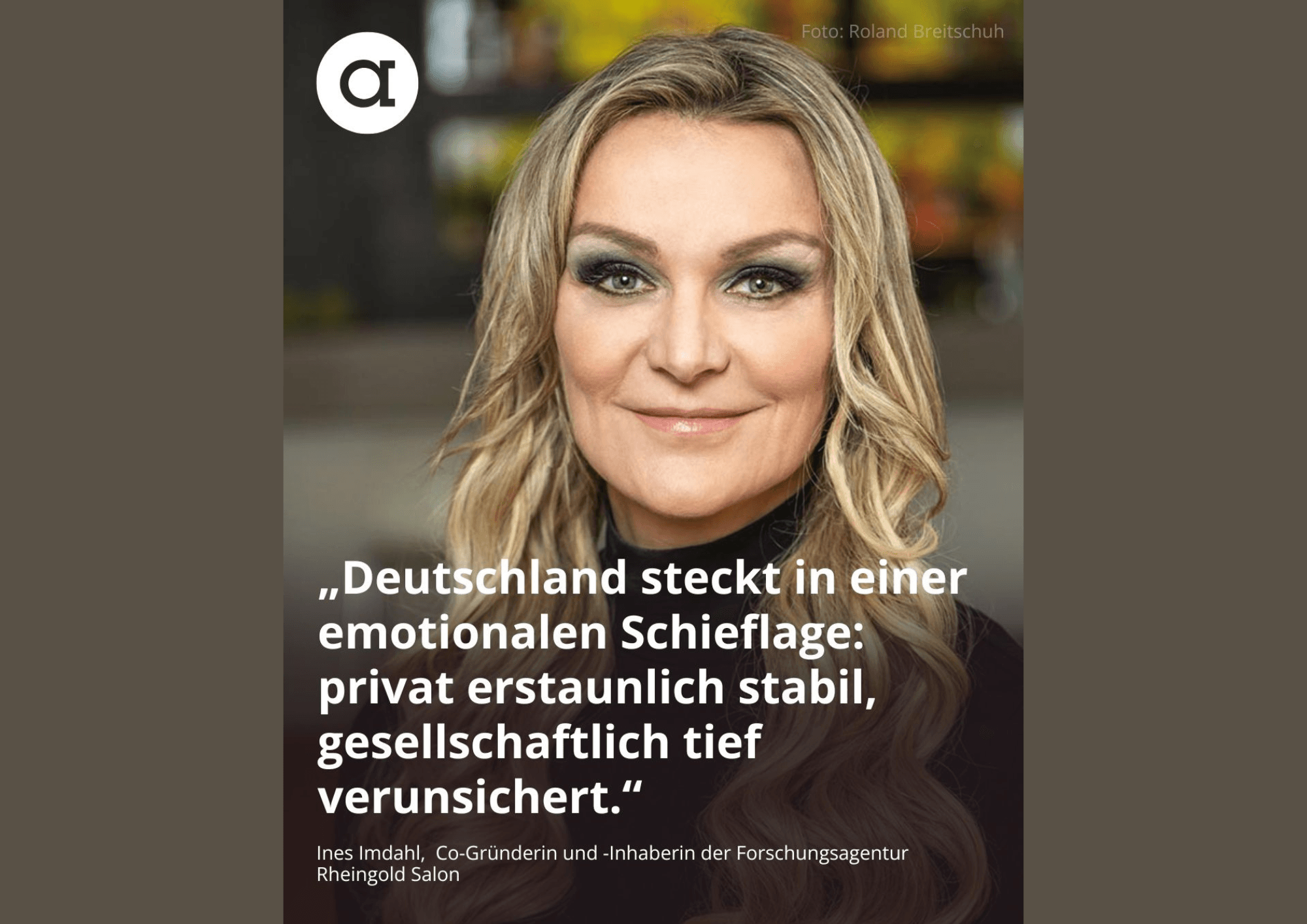
Ines Imdahl
– How deep should celebrities let you look to be attractive to the public and advertising?
Currently, one of the most famous film scenes of the 90s is experiencing a revival. Heidi Klum poses like Sharon Stone in Basic Instinct, unusually racy or rather "without panties". The staging is no coincidence, because the clean model plans every appearance. Precisely because the Heidi brand has not been so lucky lately: the marriage to Seal failed, the ratings for Germany's Next Top Model are plummeting**.** It is doubtful whether this daring attempt to gain attention through the deepest insights is the best way.
Nevertheless, Heidi Klum feels something is right. Celebrities who arouse sympathy in public today are no longer perfect, emotionless super beings. They reveal something personal about themselves**.** Marital problems, cellulite, fashion mistakes and every type of faux pas are practically lapped up by the public. This happens also, but not only, out of schadenfreude. Imperfect, scandalous and battered things give us closeness to the celebrities. Because they struggle with the same problems, they are somehow similar to us. This is precisely what makes the rich and beautiful likeable and more suitable for advertising.
It wasn't always like that. For decades, people didn't think of stars as flesh and blood. Greta Gabor, Marlene Dietrich and Fred Astaire were unattainable beings, only to be admired in the starry sky: shining perfection instead of anything too human. The stars should inspire dreams, while people in the post-war period were busy with existential things. Dream and reality were far apart. Stars had no relevant influence on everyday actions or life plans. It wasn't even considered whether you felt like a star yourself. Today, on the other hand, people want to compare themselves with celebrities and be like them. Almost 25% of those under 40 would now even like to become famous themselves.
Without personal stories and insights into their private lives, celebrities are not very suitable for emotional advertising. They seem cold and soulless. Heidi Klum will have unconsciously realized that her exaggerated professionalism is no longer cutting a good figure in her life crisis. However, her spectacular 'insights' hardly make her appear more human, but only slip into the 'role' of a cold, calculating Stone copy. Human qualities, sadness, small emotionalities would suit her much better than 'stone' qualities and would make insights into other intimate areas completely unnecessary.
A Handelsblatt column by Ines Imdahl
– here takes you to the original article.