publications, culture & society
Why do Germans hoard toilet paper, while the French prefer red wine?
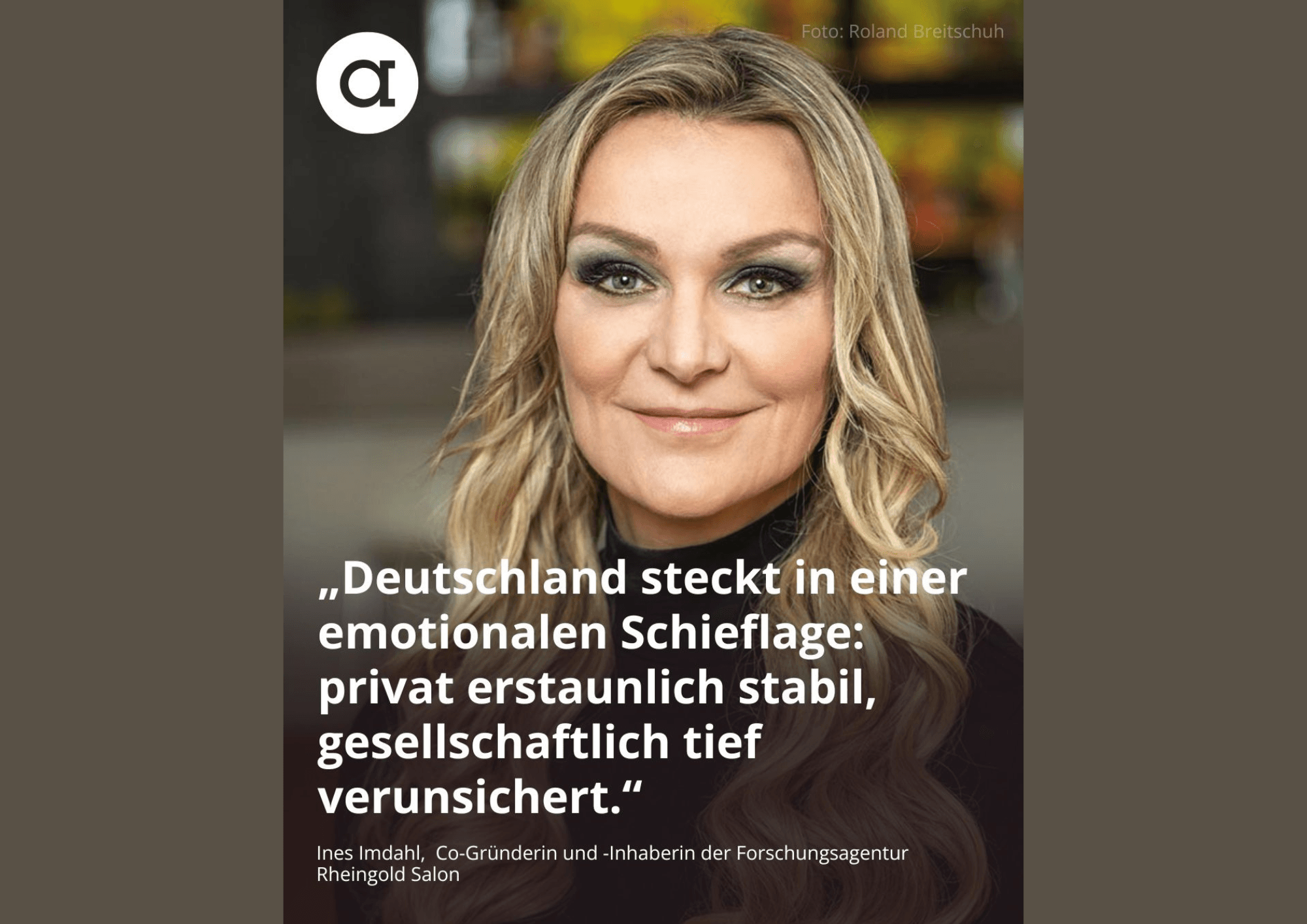
Ines Imdahl
Ines Imdahl on hoarding in Corona times.
Germany and the world are holding their breath. The economy and working life have come to a standstill. But standstill is a state that people cannot tolerate well. We all notice that, right now we want to get out, do something, work, stay productive and actively fight against the feeling of being at the mercy of others.
Germany is also a culture that has always been proud of its production performance: export world champion, who also repeatedly develops and manufactures great, new products. And now this: We have produced virtually nothing since Corona. For most, the inactivity, the standstill does not feel like relaxed idleness, but like an extraordinary "lack of production".
What does the psyche unconsciously turn to?
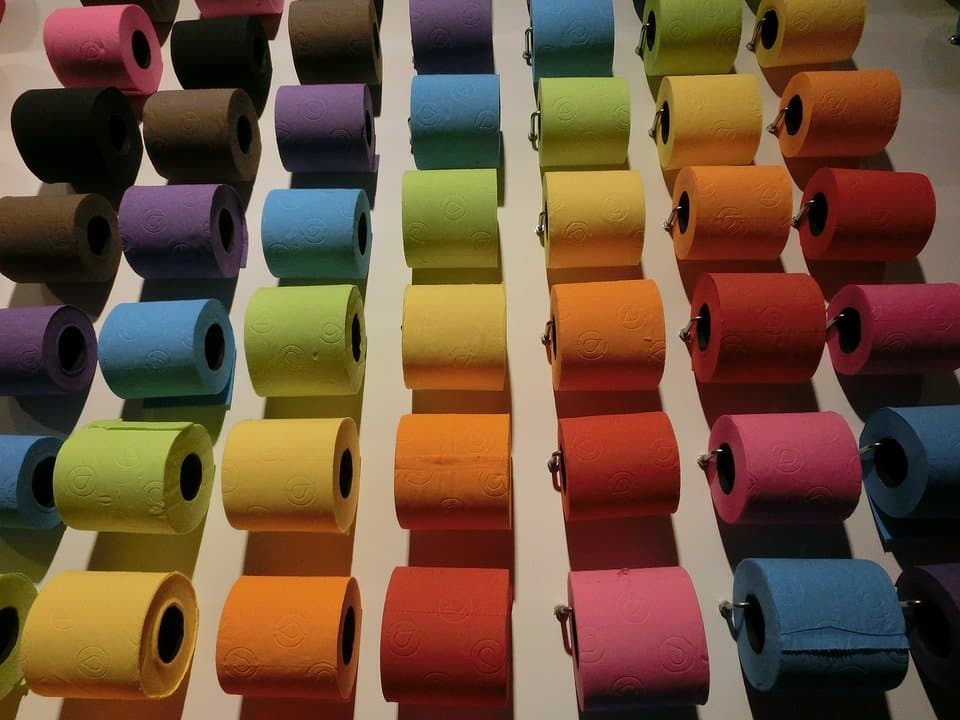
To the first productions that we have achieved as human beings. And that is - excuse me - "shitting". We praise our toddlers intensively for their first business: "You did that great" (= produced!). Disgust for one's own excrement comes much later and is culturally instilled. Small children are not disgusted by their bowel movements. The purchase of huge quantities of toilet paper now refers to the remaining, original production capacity. The more toilet paper someone buys, the more he demonstrates: Look, I'm still producing something really big - at least really big piles. It can be assumed that people buy more toilet paper the more they feel that their sales have come to a standstill.
Not in all countries is there this "German" pride in production performance in the same way. The French act differently: they prefer to forget - with red wine - and become more active at home in the figurative sense - they need condoms for this. Psychoanalytically, these are more oral or phallic cultural fixations.
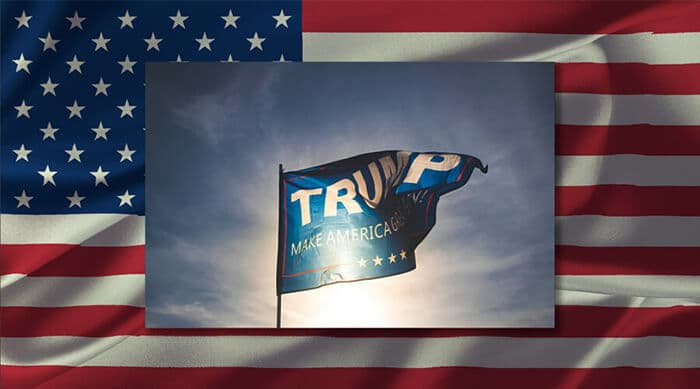
If the French president now sends his people to arms "symbolically", the Americans take up arms in the truest sense of the word. It is typical for Americans - in the fight against the virus, they resort to what is obvious from their point of view: They arm themselves to defend their house and yard against the "foreign" invader, which this virus is according to Trump. The Germans, on the other hand, fight the virus more with disinfectants. If they already believe in "normal" everyday life that they can declare war on bacteria and mites with vacuum cleaners and cleaning agents, they now do so against the virus with all conceivable disinfectants in an increased manner. Because Sagrotan and Co. are also sold out in supermarkets and pharmacies. Another attempt to defend oneself against the feeling of being at the mercy of others - and to remain active or productive.
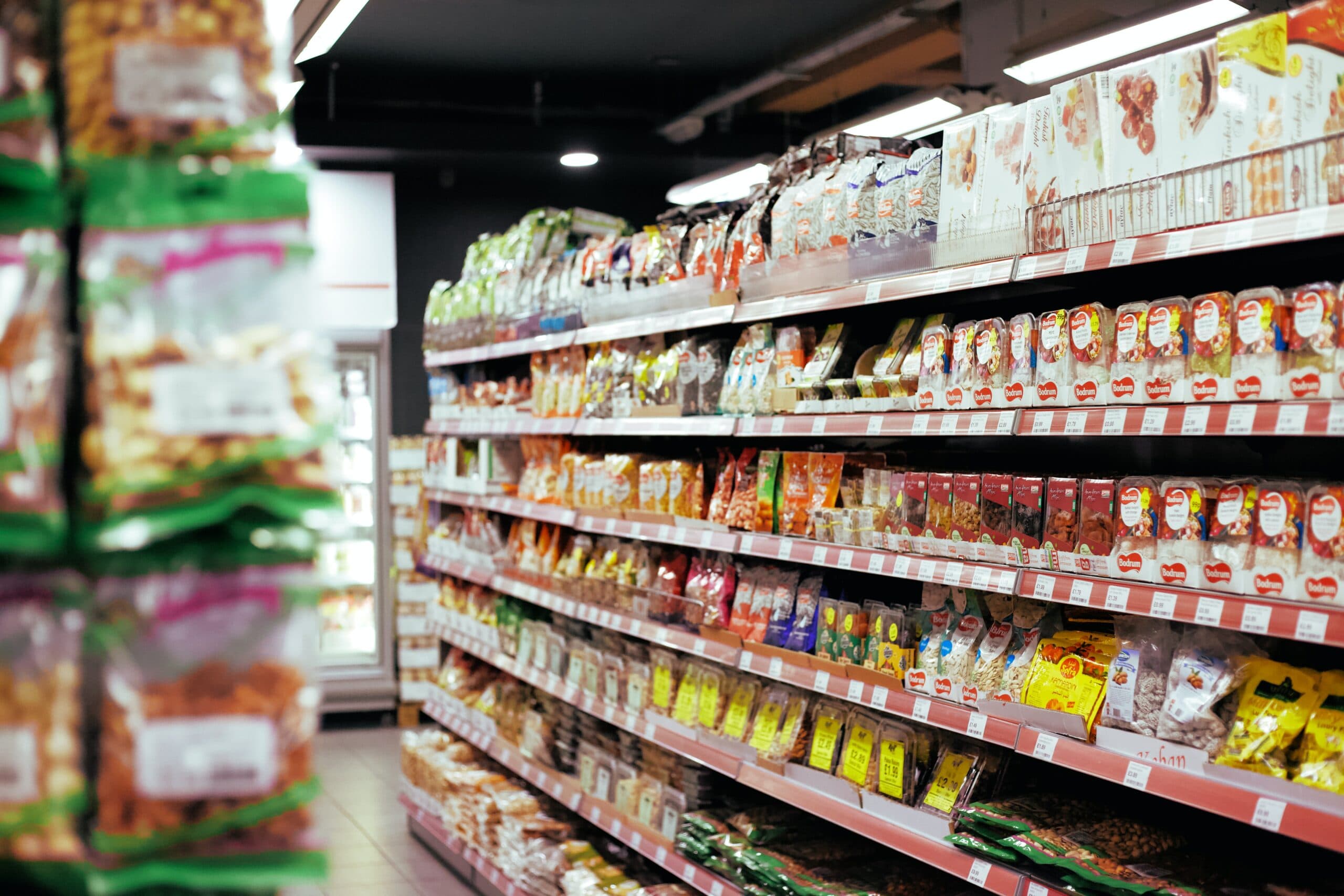
In addition, panic buying gives people all over the world the general feeling of being able to do something and not just watch. Constant repetitions of politics, but also of the media, to "not make panic purchases" tend to have the opposite effect: because the psyche knows no negation ("Don't jump" often triggers a jump in the suicidal person rather than preventing him from doing so). What people hear is "panic buying" - if these are to be prevented, they need another way to actively process and act on their needs.