publications, culture & society
Freshness Remains Trendy
lönneker & imdahl rheingold salon
An interview by Jens Lönneker on the current development of convenience and regionality, published by Jens Hertling in Lebensmittel Praxis.
What will the convenience range be like after the Corona pandemic ends?
The Corona pandemic is not expected to end so quickly. Therefore, it can be assumed that the trends towards more healthy freshness, ready-made products, milk alternatives in connection with delivery services will continue.
What does that mean for supermarkets?
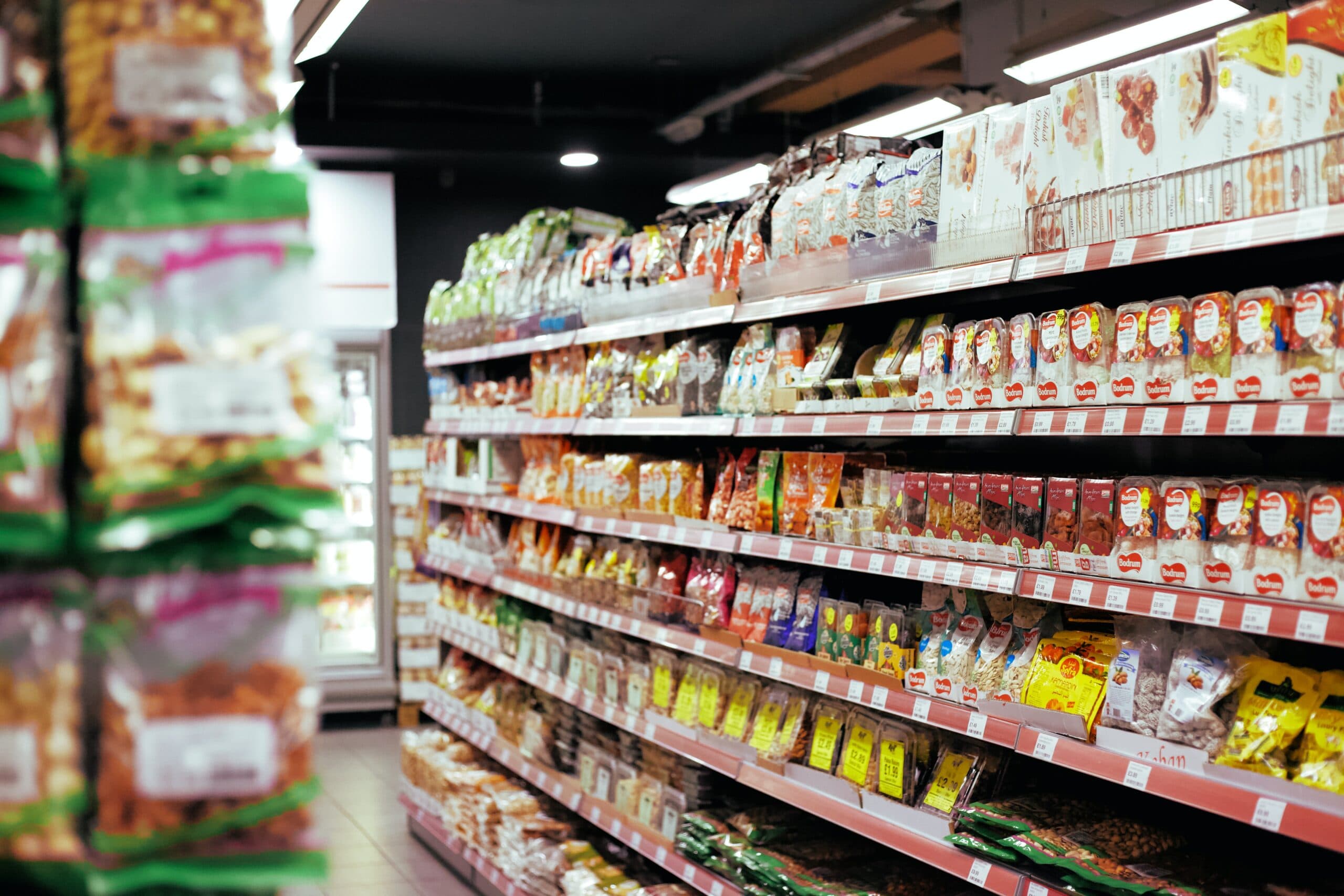
The younger and more urban the audience, the more supermarkets have a new function. They virtually replace the advertising television of the past. Today, you can see what's on offer in the supermarket. Supermarkets are viewed as a gigantic list of suggestions for food and beverages: you look at what "turns you on". This can include everything that can be prepared and consumed fairly quickly: products in the classic range, convenience products in the refrigerated section, but also freshly prepared, more gastronomic offers on site. Of course, the classic forms of shopping and cooking will continue to exist and the products will be in demand. But the entertainment character of the range of goods on site will increase.
Keyword health: What role does this aspect play?
We just don't want to die anymore: One of the bestsellers of our time is therefore entitled "How not to die". Health is a new religion of our time, to which we subordinate almost everything: diet, fitness, lifestyle. For the convenience market, health is extremely important as a cover story. However, the following also applies here: it must ultimately taste good. Quite a few are willing to cheat if the whole thing has a healthy coat of paint. And of course, no trend without a counter-trend: Sometimes you just want to enjoy life, whether it's healthy or not.
What role does the convenience offering play in the choice of supermarket from the consumer's perspective?
The convenience sector is becoming increasingly important. This is because many customers view the offer in the supermarket as a kind of menu from which they can choose what they feel like. As a result, many products should ideally be prepared and consumed fairly quickly.
"Supermarkets virtually replace the advertising television of the past."
Jens Lönneker
Will the convenience area become as important for customers' perception as the fruit and vegetable department, for example?
Yes, that's how it is, and for many it already is. There are also overlaps with fruit and vegetables - for example through salad and fruit mixes or bowls with a high proportion of vegetables.
Is convenience in competition with the restaurant?
From a psychological point of view, this can also be answered with a clear "yes". For example, I can get something during my lunch break, whether I go to a restaurant, take away something from the restaurant or put something together from the convenience area of the supermarket. In addition, most companies now offer their employees at least small tea kitchens where they can quickly put something together or even prepare it. In the competition, the supermarket can score points with selection, freshness and price.
Where do you see vegan/vegetarian and organic? Are these impulse generators for your products or for the industry?
Vegan/vegetarian and organic products are the "key currencies" of a new, very common world view. Humans are seen as harmful rulers of the world who must change their behavior and become guardians of the world. Vegan, vegetarian and organic products psychologically stand for an exemplary, careful approach to nature and to ourselves.
How important is "regionality"?
Regionality is a mega-hype because it successfully appeals to both Fridays-for-Future fans and national-conservative circles. Some emphasize the short transport routes and their positive influence on the climate, while others are happy that products from their region are favored.
What contribution do start-ups make to the food industry?
We see strong influences from start-ups in the digitization of ordering and purchasing processes, the further development of convenience offerings, new recipe and offering forms, and a new way of understanding and shaping the customer experience. In short: they revolutionize the essential food areas like every new generation.
You can also find the entire article here.