publications, advertising & communication, digitalization & media
Permanent wish fulfilment makes you ill – Ines Imdahl's column in absatzwirtschaft
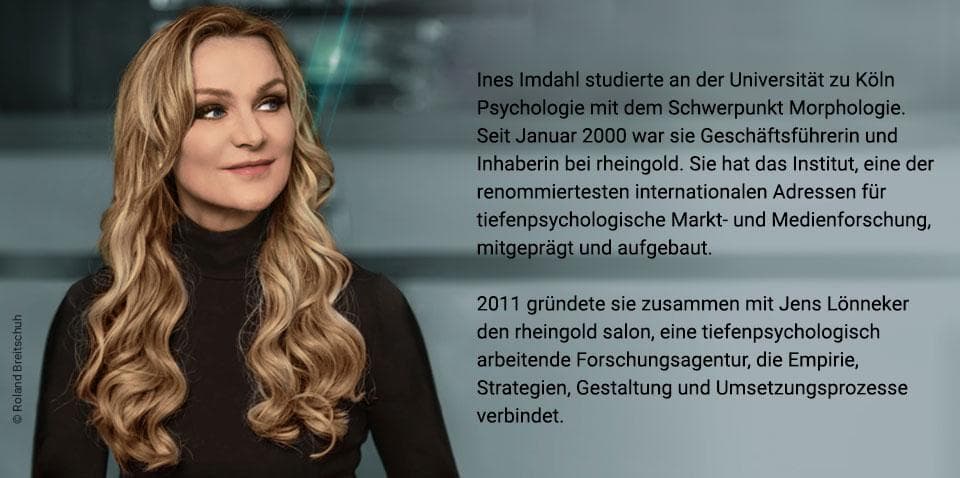
Ines Imdahl
AI fulfils our needs with ever greater precision – and paradoxically makes us unhappy in the process. Why constant wish fulfilment can make us ill and what we are psychologically lacking when we live in a perfect world.
AI remains the hype of the millennium and is changing us as human beings. In depth psychological studies, we encounter a paradox that is explosive for advertising and marketing: AI fulfils needs perfectly and thus makes us unhappy. The dream of perfect satisfaction becomes a mood killer.
The perfect match – and the bad feeling Identifying needs, satisfying them, optimally translating them into advertising and presenting the ideal type: that is classic marketing mechanics. AI takes this mechanism to the extreme. It is more precise, faster, clearer and therefore more efficient than any human being. TikTok is a testing ground for this: perfect targeting and instant gratification are often followed by depressive symptoms, feelings of dependency and altered neural structures – especially in young people. The conclusion is uncomfortable but inevitable: permanent (desire) fulfilment does not make us happy, but sick.
Why people need friction There are several explanations for why people need friction. On the one hand, they want to explore the world for themselves. Appropriation, interpretation, productive friction – all of this is part of happiness. The unfinished invites us to get involved. Perfection, on the other hand, is lazy.
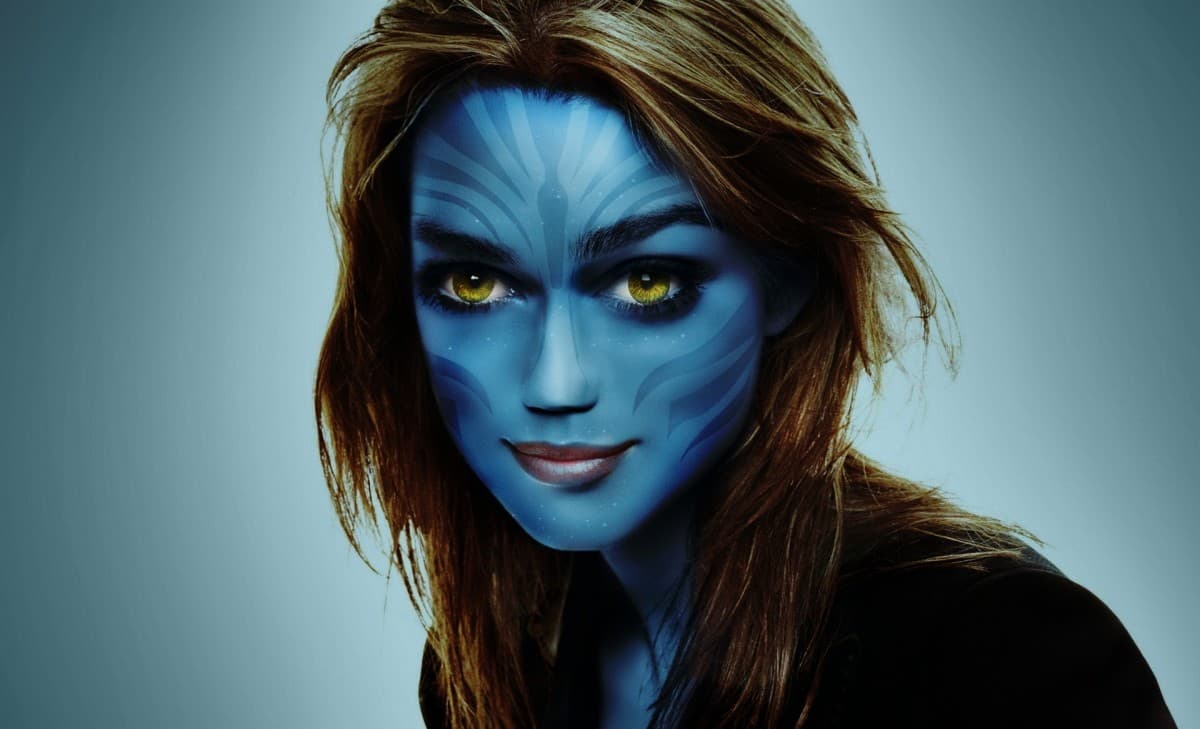
A study on AI influencers is fascinating: perfected human-like avatars are less popular than cartoon-like characters. Apparently, the clear distinction between fact and fiction, which we are increasingly losing sight of due to AI applications, among other things, is also beneficial. But above all, it seems to be the space in between – that which allows for individual interpretation – that creates feelings of happiness. Things that are too finished and perfect are only beautiful for the soul at first glance.
Why happiness is more than the sum of AI data In football, for example, AI creates perfect individual analyses of running distances and misplaced passes. In theory, this should lead to performance improvements of many hundreds of per cent, as this data has not been available to us for decades. But this does not necessarily make the game better. Some even claim that football is no longer what it used to be. Players also have to feel the game, says Matthias Sammer. The whole joy of playing is more than the sum of individual AI data.
This also applies to communication and advertising impact: AI measures where we look and helps to optimise individual elements – especially text. However, it does not measure the initial overall impression of an advertisement or packaging design. Before we even read and analyse, we have an overall feeling that moves us (or not). AI-optimised advertisements or packaging are not necessarily the better alternatives. Sometimes they do not appeal to us, are not ‘appetite appealing’, but simply one thing: AI-optimised.
AI can increase our well-being whenever it really takes the pressure off us. But where it becomes too perfect or tries to replace our feelings, we can and should listen to our gut feeling for our own good.
You can access the sales management page here.