publications, culture & society
Corona - Progress through fear of fear
lönneker & imdahl rheingold salon
Germans are doing everything to avoid fear of Corona. This drives them, leads to progress and also shapes expectations of communication in times of corona.
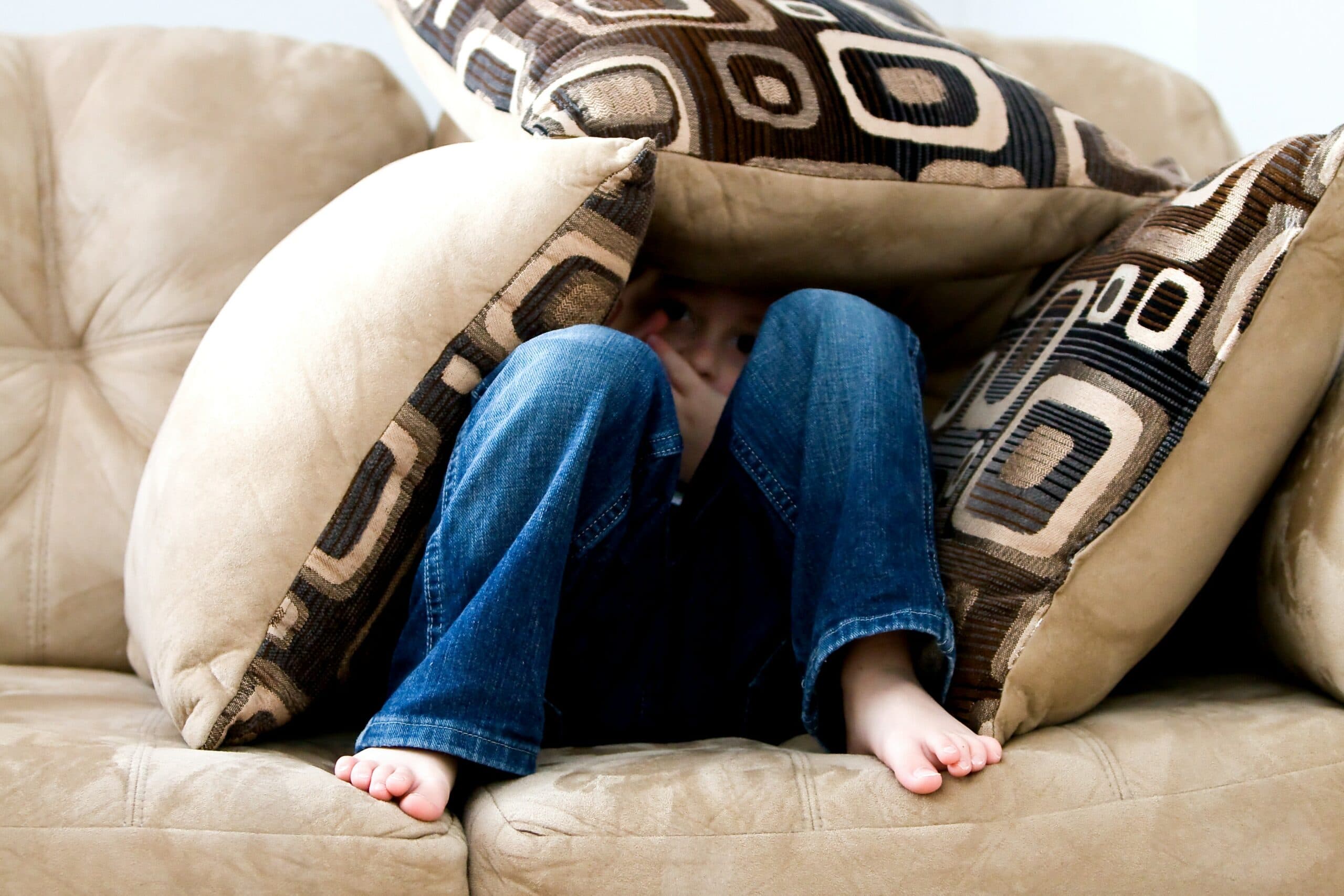
Many of the current personal and social activities can be understood psychologically as a kind of forward defense against the fear of the consequences of Corona. This means more than just a general concern about infection. It is the fear of losing order, stability and security.
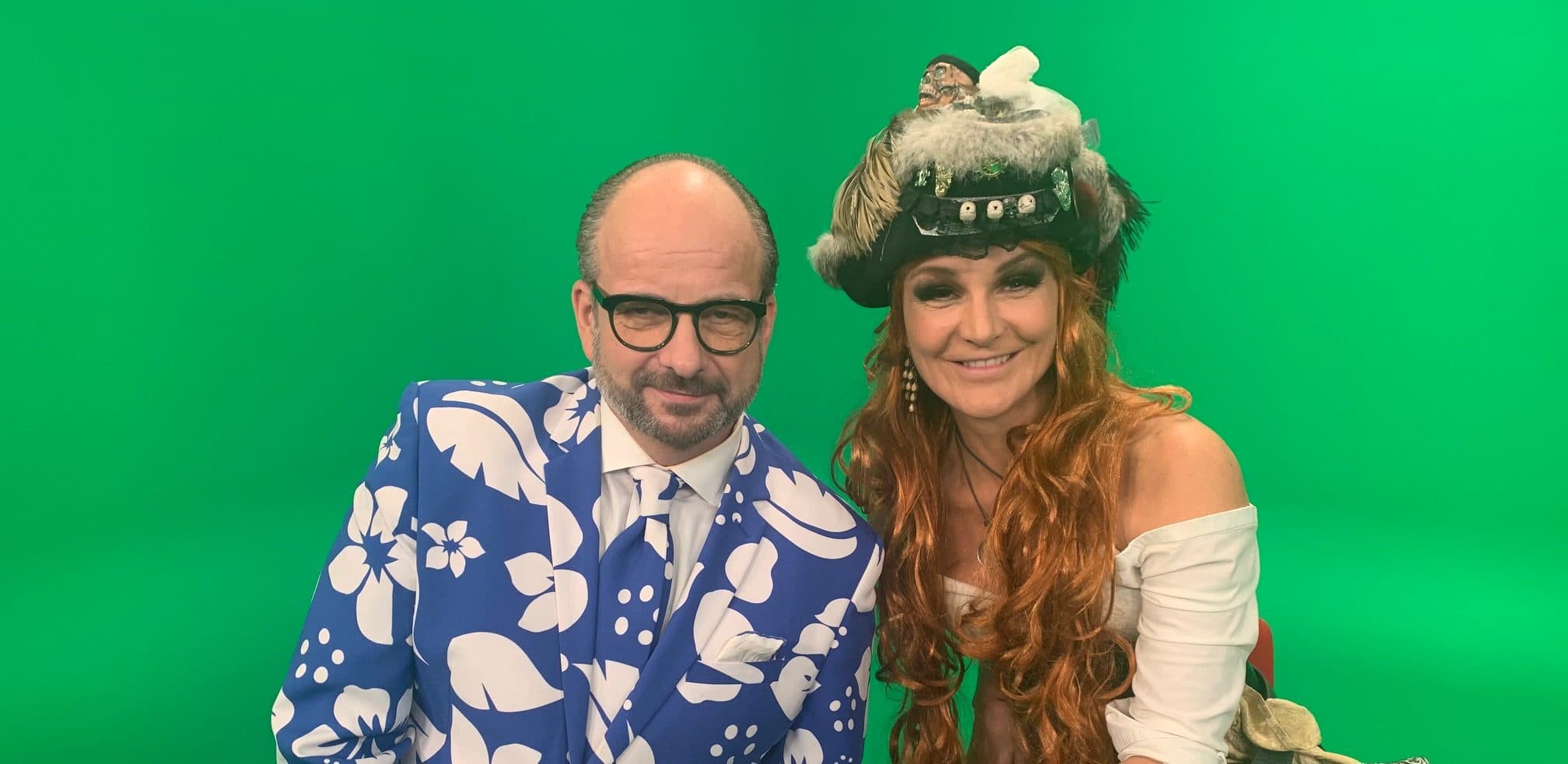
This very personal fear, as expressed in the quote by ZDF presenter Andrea Kiewel, should not even arise if possible. In the surveys, the participants therefore welcome how quickly bureaucratic organizations in Germany can suddenly implement the most extensive rescue packages. And they describe themselves as very receptive to measures that are intended to take away their fear of an uncertain future. Paradoxically, this leads to many people even experiencing the lockdown as pleasant and beneficial - »out of the hamster wheel«. According to a daily Zeit survey 'How are you today?' For example, during the lockdown, the highest 'good mood' values ever measured were recorded.
The fear of fear leads psychologically to it being reinterpreted and overcompensated. Political actors such as the chairman of the CDU/CSU parliamentary group Ralf Brinkhaus feel this and propagate: »The crisis is a huge opportunity.« Digitalization, progress, reorientation or even anger, protests dominate the perspectives on the future in the discussions as in the surveys. The fear is covered up: progress through fear of fear.
It is as if a jolt suddenly goes through all of Germany and the previous cooperation is being re-examined and reconsidered: Corona becomes the starting point and center for things to be done differently or old concepts to be brought back into play. How can communication react to this? It is important to understand that the real motivator is the avoidance of fear. It is good to understand the topic of fear a little better. The famous psychoanalyst Anna Freud distinguished between three different causes of fear: real fear, fear of drive and fear of the superego. All three forms of anxiety can currently be observed. Expectations of communication can be assigned to them:
“In order to emerge strongly from the Corona crisis, we need to unleash the economy.” Ralf Brinkhaus, Chairman of the CDU and CSU parliamentary group on Twitter on May 21, 2020
“Personally, I would like my old life back. (…) I honestly admit that I always thought I was stable, but now I know: I'm not. “ Andrea Kiewel, ZFD presenter on May 24th in the ZDF television garden
“For me, Corona is the biggest scam in world history. I can't take that seriously. I don't know if our government wanted to test us all or something. I don't believe in that anyway.” K.S. on May 7th in a group discussion in Cologne
Coping with real fear
For the vast majority of the population, the real fear of Corona is in the foreground: If one takes the approval of the government's measures in the ZDF political barometer as a benchmark, this is currently around 85 percent of those entitled to vote. They are willing to make sacrifices in the form of restrictive measures for fear of Corona. But what expectations do they associate with these sacrifices?
- Security / Stability: In communication, values such as community, continuity, security, familiarity, stabilization of customer relationships are extremely valued. There are therefore good opportunities for brands to gain relevance.
- Re-renovating: At the same time, there is a high willingness to redesign private and professional life in a new and different way in order to restore this security despite Corona. Communication should therefore also show future-proof ways that products and brands can offer - especially in digital services, in the areas of health, nutrition and fitness, in quality of life and in financial security.
Accepted media formats formally often play with a mix of traditional and modern stylistic elements. It is noticeable that classic channels such as linear TV are experiencing a certain revival.

Fear of drive
The Corona measures have significantly restricted pleasurable activities - going out, dating, parties, traveling.
Aggressive inclinations can also be acted out less - for example in sporting competitions. A small part of the population is therefore struggling to keep their suppressed, own emotional impulses under control. They tend to classify the existing restrictions as inappropriate and excessive or even to adhere to conspiracy theories. The critics get a lot of space and attention in the media. They apparently articulate wishes on behalf of the entire population for more
to enable spaces for pleasurable moments. How can communication pick this up?
- New togetherness: The loss of social proximity leaves a longing for new forms of togetherness - whether through digital training programs, events in drive-in cinemas or clapping on balconies. But really successful solutions don't seem to have been found yet. Products and brands that help create community and social interaction are therefore very welcome.
- Individual stage: Ultimately, those involved want to be able to see themselves on stage. Products and brands that help make their customers 'famous' are therefore very welcome.
Proximity and distance must be readjusted in communication. Finding new formats is one of the central challenges. Individual forms of address, for example via social media and CX measures, continue to be widely accepted.
Rebellion against the social superego
The Corona measures are also interpreted by part of the population as meaning that politics, the economy, the system - i.e. the social superego - is claiming too much power for itself and restricting the individual too much in his basic rights. They claim that the rules set by the political leadership are not sensible, the latest scientific findings are allegedly not taken into account or the Corona danger is systematically overestimated. Even among the larger rest of the population, there is a latent uncertainty as to whether data, facts and measures really have to be interpreted as the leadership is currently doing.
This group is nevertheless also receiving more and more attention in the media. Why is she getting this attention
and what can be derived from this for the expectations of communication?
- Refuse/Re-order: The Corona crisis is fueling tendencies to counter the world experienced as VUCA (Volatility, Uncertainty, Complexity, Ambiguity). The aspects of the lockdown that are perceived as beautiful and relaxing should not simply be abandoned again. Ways are being sought to refuse to join the hamster wheel. The lockdown becomes a slowdown, leading to restraint when shopping. Communication is looking for new everyday orders with more quality of life and less stress.
- Unleashing: Against this background, the Corona crisis is intended to unleash energies and forces for new development spurts and politics to create the framework for this. Communication should show ways in which this is possible.
There is a greater willingness to engage with new and different media formats and channels. New, alternative messages and forms of communication can find more attention.
Take away the fear of fear
The desire for unbundling and reordering is always present in our surveys, but is articulated more cautiously. Because they are also very scary. The participants fear that crackpots and conspiracy theorists will come onto the stage as collateral damage and that chaos can arise from this. That in turn makes you afraid and slows down the tendency to allow new developments. Communication that manages to take away the fear of fear is, in this sense, a really valuable contribution to progress and further development.