publications, culture & society, shopper & retail
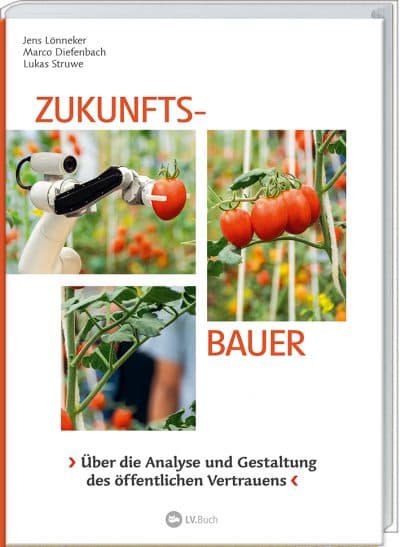
Food in Germany – Jens Lönneker & Marco Diefenbach's study results in ‘The Future of Agriculture.’
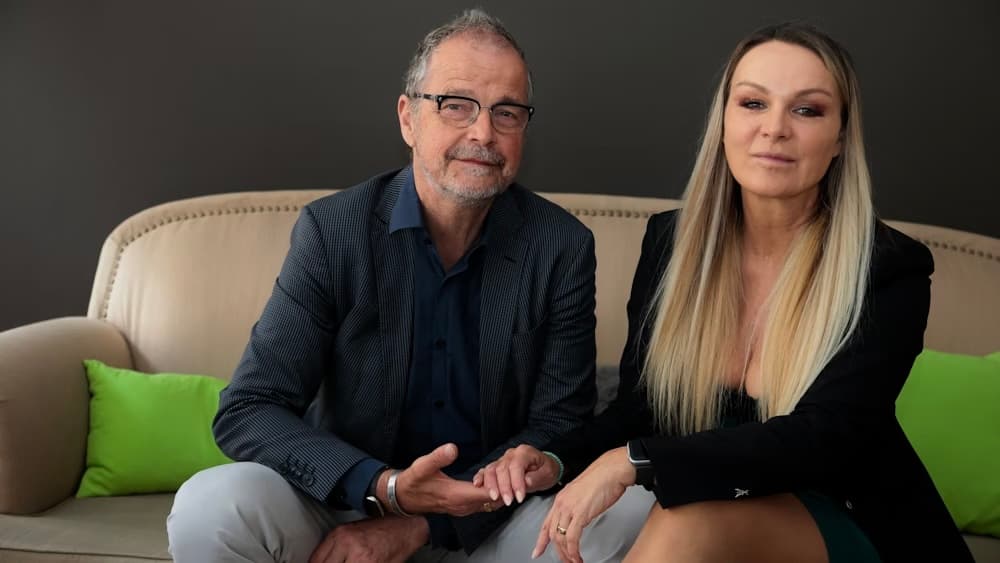
Jens Lönneker
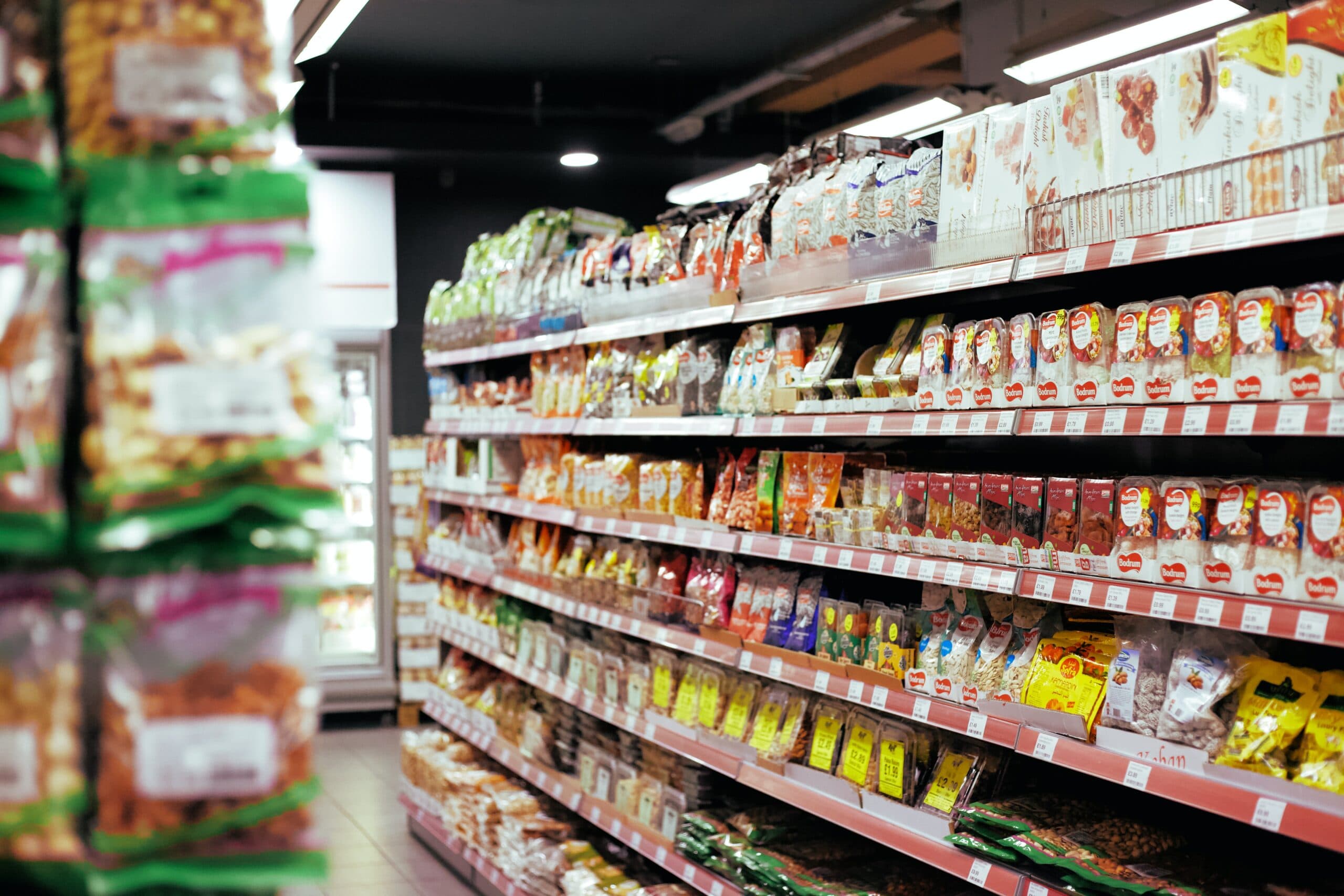
Eating and shopping habits are constantly changing. A new, large-scale research project commissioned by the Heinz Lohmann Foundation at the rheingold salon research institute and the University of Göttingen shows how these changes are manifesting themselves, how people are coping with them and what the future might look like. The Heinz Lohmann Foundation has been awarding research contracts in the field of agriculture and food supply for many years.
The first comprehensive study, "Eating in Germany: Desires and Reality – Yesterday. Today. Tomorrow" was conceived under the leadership of psychologist Jens Lönneker, founder of the market research agency rheingold salon, and his team. Research findings from a period of forty years were included. In additional in-depth psychological interviews and statistically representative surveys, the researchers investigated what people want – even unconsciously – when it comes to food and how they actually deal with it.
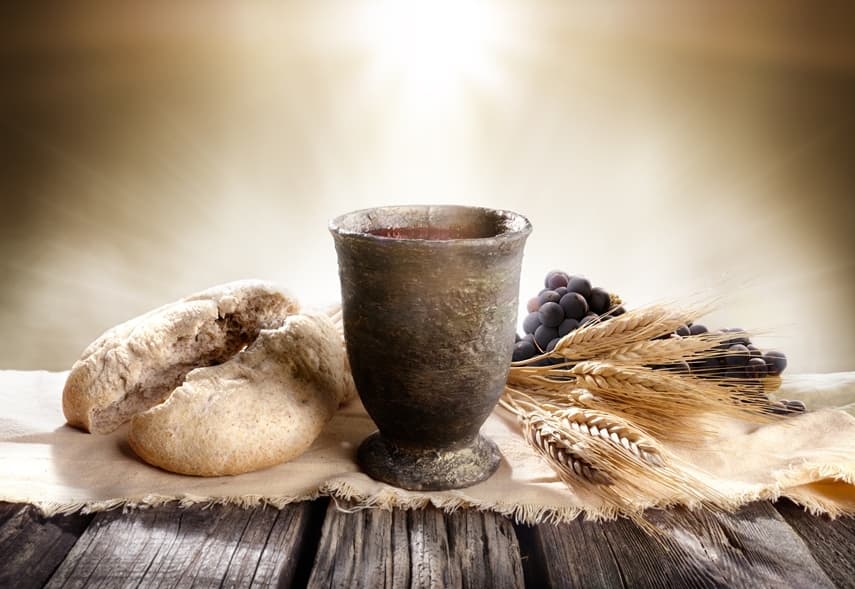
Study 1: Moving away from the magic table and discovering immortality Eating and drinking are never just about satisfying hunger and thirst, but always have a psychological meaning too. Food is therefore shaped by cultural rules. For more than half a century, the question of meaning has once again gained prominence in Germany because, for the first time in such length and breadth, there is no longer any physical hardship and hunger has been successfully combated. The table is always set, as in the fairy tale of The Wishing Table. But it does not have to stay that way. In today's world, this can be applied in particular to the psychological meaning of eating. What appears to be a wonderfully laid table turns out, from another perspective, to be unhealthy nutrition that also damages the environment. While 50% of those surveyed do not intend to change anything about their eating and drinking habits in the future, 59% expect that they will soon have to give up many things. This characterises food consumption today, which is currently in a crisis of meaning. But how did this crisis of meaning develop and what solutions are emerging for the future? The study distinguishes between three phases of meaning creation: eating and drinking to constitute family and community; eating and drinking in the service of diversity and individualisation; the discovery of immortality.
Read on to find out what psychological mechanisms lie behind these phases and how our eating habits are likely to develop over the next 20 years.