publications, media presence, digitalization & media
Why brands can strengthen the community.
Jens Lönneker
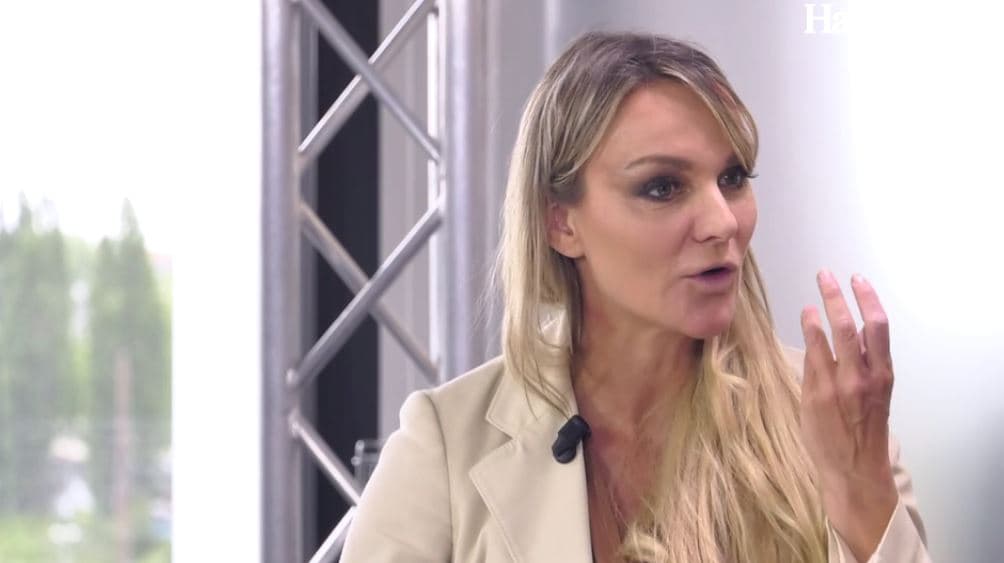
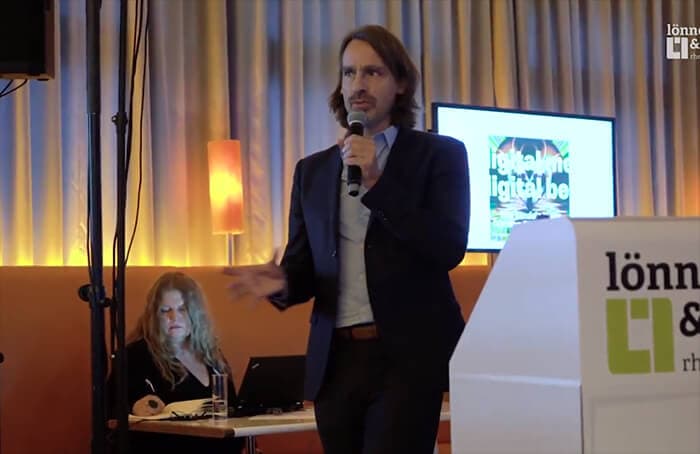
Jens Lönneker in an interview with Cathrin Hegner in the “Out-of-the-box” series for Seven.One Entertainment Group. Click here for the article or read it in full on our website.
Living democracy “Brands can strengthen the community”
Germans trust the economy more than the media and politics - more power for change, more competence and ethical action. Market and media researcher Jens Lönneker explains how brands can now strengthen people's sense of “we” and position themselves in political discourse. The depth psychologist wants media and marketing managers to have a new culture of listening.
Cathrin Hegner: Trust in the media and politics has been shaken. According to your study, every fourth German has lost faith in the established media, and two thirds of media critics feel abandoned by politicians. What is the reason for this?
Jens Lönneker: Many have the feeling that their concerns and issues are no longer being heard and that the established media hardly report on their problems. In eastern Germany, this feeling is historically even more widespread than in western Germany - people feel like strangers in their own country. The good news is that at least 75 percent of Germans still have more or less great trust in the political system and the media. The crucial thing is that we bring people back together. We cannot afford to have every fourth person disagree with the media and political environment in the long term.
CH: Why are populist parties able to position themselves as “caretakers” in this mood?
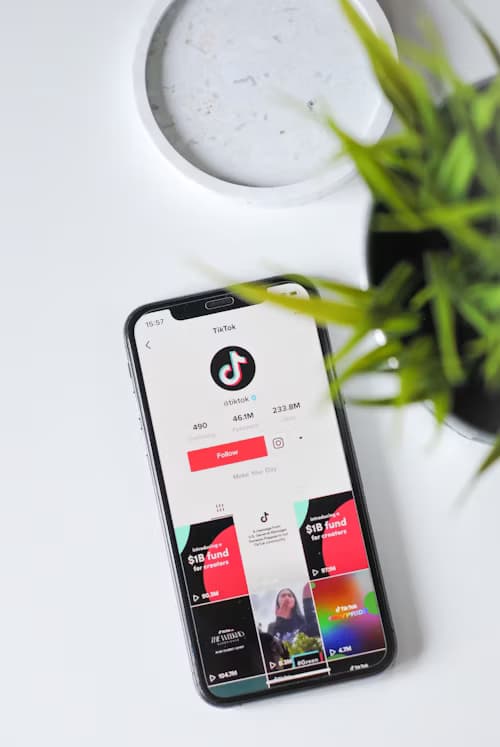
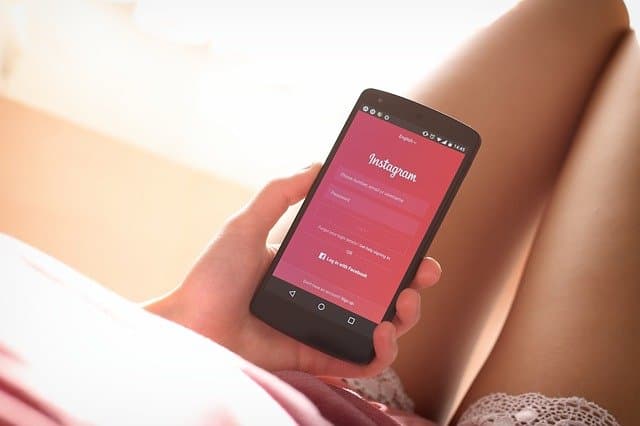
JL: The feeling of no longer being heard is picked up by populist parties. They have specialized in emotionally appealing to people, standing in market squares and public festivals, listening, addressing worries and fears. When it comes to addressing younger voters via TikTok or Instagram, they are far ahead of the established parties. The fact that arguments are often made beyond reason and facts doesn't matter to many. They no longer feel comfortable in the existing democratic system and ask themselves: Why not think about a fundamental change?
CH: Social media has developed into a powerful political factor. Do opinions now count more than facts?
JL: I have to go back a bit: In Western societies, in the aftermath of the great Enlightenment movement, there was a consensus that public debates had to be rational and reasonable. You were allowed to denigrate your political opponent, but the reasoning should be reasonable. In the meantime, the realization has taken hold that human decisions are not always rational and that homo oeconomicus is an illusion. My profession, psychology, is not entirely innocent of this. We have shown that emotional motives are the drivers of actions rather than rational ones. What people feel and how they feel has become much more important in public space in recent decades. Social media has picked up and accelerated this development.
CH: So-called truths, fake news and deep fakes are also increasingly influencing the political debate via social media.
JL: We have opened Pandora's box there. Via social media, what takes place beyond reason in personal experience also reaches the general public. A prime example of someone who takes this to excess is Donald Trump. He simply shares things that seem to him to come from his gut - regardless of whether they are true or not. In doing so, he strikes a chord with his audience. You can counter this with facts as much as you want - you can't get the feeling out of the world. We have to take people's worries and fears seriously and ask ourselves where these feelings come from. And we have to listen to them.
CH: … and thus offer the extremes another stage?
JL: Yes, even if it sometimes hurts. You can't just send the problem away. Even among those who trust the established media, 42 percent agree with the statement “We are driving Germany into the ground if we continue like this” - that is a very high level of dissatisfaction with the existing politics. These people want to be heard, seen and understood. We can't leave that to the representatives of the AfD.
CH: For younger people who are increasingly supporting extreme parties, social media is often the only source of their political opinions. Is democracy in danger?
JL: Many great minds, including the philosopher and sociologist Jürgen Habermas, believe that Western democracies can only maintain their legitimacy if there are mass media that convey to people that they are participating in society and the political system. They curate the world view, put it together and get feedback from the recipients. This curating and mediating function no longer exists in social media; there is no social unifying, system-stabilizing opinion formation. If we do not succeed in creating more platforms for those under 30 that have a common, unifying image in mind, we will have difficulties legitimizing democracy.
CH: Media diversity also wants to be financed. But advertising budgets have been migrating to the large international tech platforms for years.
JL: I am not the only one who sees a danger in the fact that the large technology companies are increasingly determining our basic media provision. There are a number of initiatives from the advertising industry to curb this influence. I think it is important to bring the various stakeholders and players to the table and work together. Media companies, politicians and advertisers must work together if the influence of Google, Meta, or X on political opinion-forming is to be limited.
CH: There is also the old marketing law “Money follows eyeballs”. Should it now give way to responsible media planning?
JL: Of course, advertisers have to go where they can reach people. I think everyone should now work together to make the framework conditions more democracy-friendly. There is the sentence in the Basic Law, which is quoted again and again, that “property entails obligations”. Its use should also serve the common good. This means that there is a fundamental civic duty to look at what you are doing with your resources and your influence.
CH: Media companies and businesses are already involved in various campaigns such as “Go vote!”, “Use the News”, “Made in Germany – Made by Diversity”, Initiative 18 or the Sustainability Pact for Freedom of Opinion and Media Diversity. What else can you do?
JL: It's good that so much is happening right now. Now we have to give the whole thing some space and time. The AfD didn't conquer TikTok in a day either. We will see what specific content and formats follow the initiatives. The commitment that you would like it to be different does not necessarily mean that it will be done differently. Many searches and, above all, creativity are still required on the way there.
CH: The economy is trusted even more than the government and the media. What can brands specifically do?
JL: Brands have the opportunity and the power to pick up on, comment on, mitigate or promote changes in society. Until now, the focus in brand management has been on the question of how to differentiate yourself and create a unique positioning. We believe that brands today should focus much more on the unifying momentum in society and advise our customers accordingly. Brands can emphasize commonalities and strengthen the community. They can build bridges across social realities.
CH: Can you give specific examples?
JL: Some brands are already very successful at this. Telekom, which has been campaigning against hate and incitement on the internet for years, has even integrated the community into its claim “Experience what connects”. The common desire of a brand like BMW, Mercedes or Apple can create just as much of a connection as the joint bargain hunt at the discounter. The change of perspective is the crucial thing: brands should now emphasize what unites them more than what separates them.
CH: Some also take a clear position in the political discourse, such as Edeka with the campaign “Why blue is not an option at Edeka”.
JL: It takes some courage to clearly position yourself and communicate: “This far and no further”. I think all brands would be well advised to at least develop a basic attitude in favor of democracy without slipping into arbitrariness.
CH: Brand experts are already warning of a “posture inflation”. How can you prevent slipping into arbitrariness?
JL: It's no use if everyone says at the same time “I am for democracy” - attitude must not be an empty phrase. Advertisers must also listen to people, know what really moves them and pick them up there. Research can support them in this.
CH: Research is also increasingly having to defend itself against hearsay and half-knowledge. It is not uncommon for the results of serious work to be wiped away with an opinion. How do you deal with this at rheingold salon?
JL: I try to pick people up where they stand in their feelings and not simply bombard them with facts. This is unfortunately the dilemma: science and research have long been used like a substitute religion. We have carried research results in front of us like a catechism that you have to believe in. Today we know that scientific results also have a certain temporal value, can be modified, interpreted differently and improved. We should understand research as a clever and noteworthy approach to reality and not as the only thing that counts.