publications, children & youth, digitalization & media
The perfect world behind the display
lönneker & imdahl rheingold salon
An interview with Ines Imdahl in the Süddeutsche Zeitung from March 9, 2020
Psychologist Ines Imdahl on the addictive combination of narcissism and exhibitionism on Instagram and the existential longing of young people for security and control - especially in turbulent times
Interview: Fabian Müller
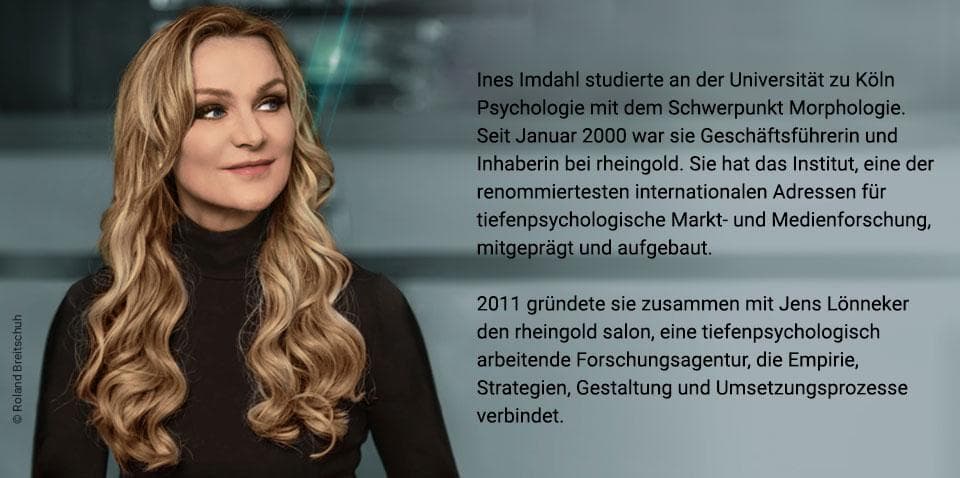
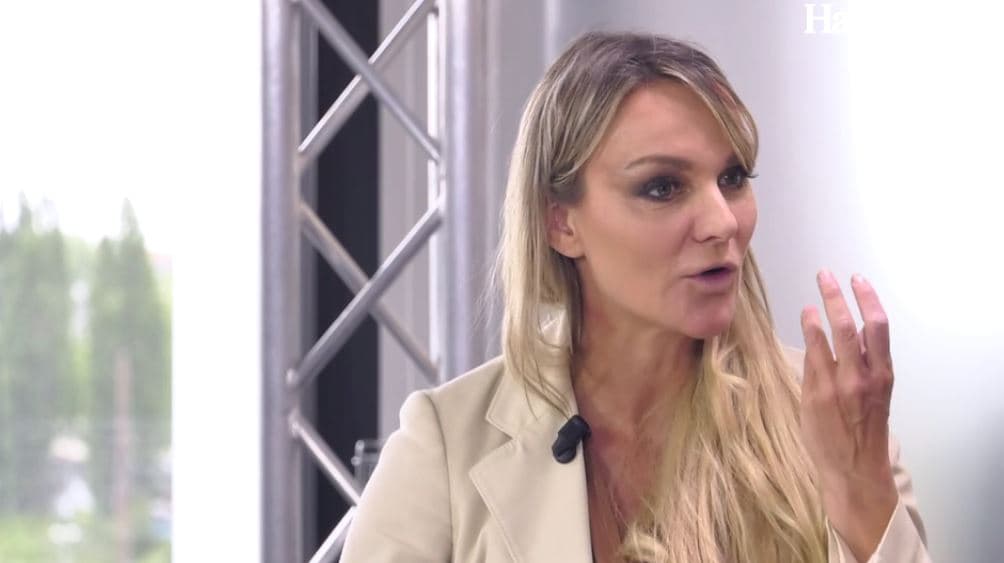
The hair is styled, the background is bright, the skin shimmers, the pose is seductive. Not only Instagram is increasingly becoming a stage for displayed coquetry. Psychologist Ines Imdahl is managing director of the rheingold salon market research institute and has already carried out several youth studies on this topic on behalf of the German Body Care and Detergent Association.
Ms. Imdahl, why are young people craving as many likes as possible?
I have to start with a broader explanation.
Go ahead.
First of all, young people's hormones are going crazy, and at the same time they have the feeling that the family as well as the social situation is out of control. Young people see in their own or other families that relationships are breaking down, every second marriage in Germany ends in divorce. They have the feeling that something is exploding everywhere in the world. And above all, they have the feeling that they can't change anything about it. So they experience a loss of control on several levels, but they can regain control on only one: the physical level. So young people put on make-up, style their hair and use cosmetics.
What does all this have to do with likes?
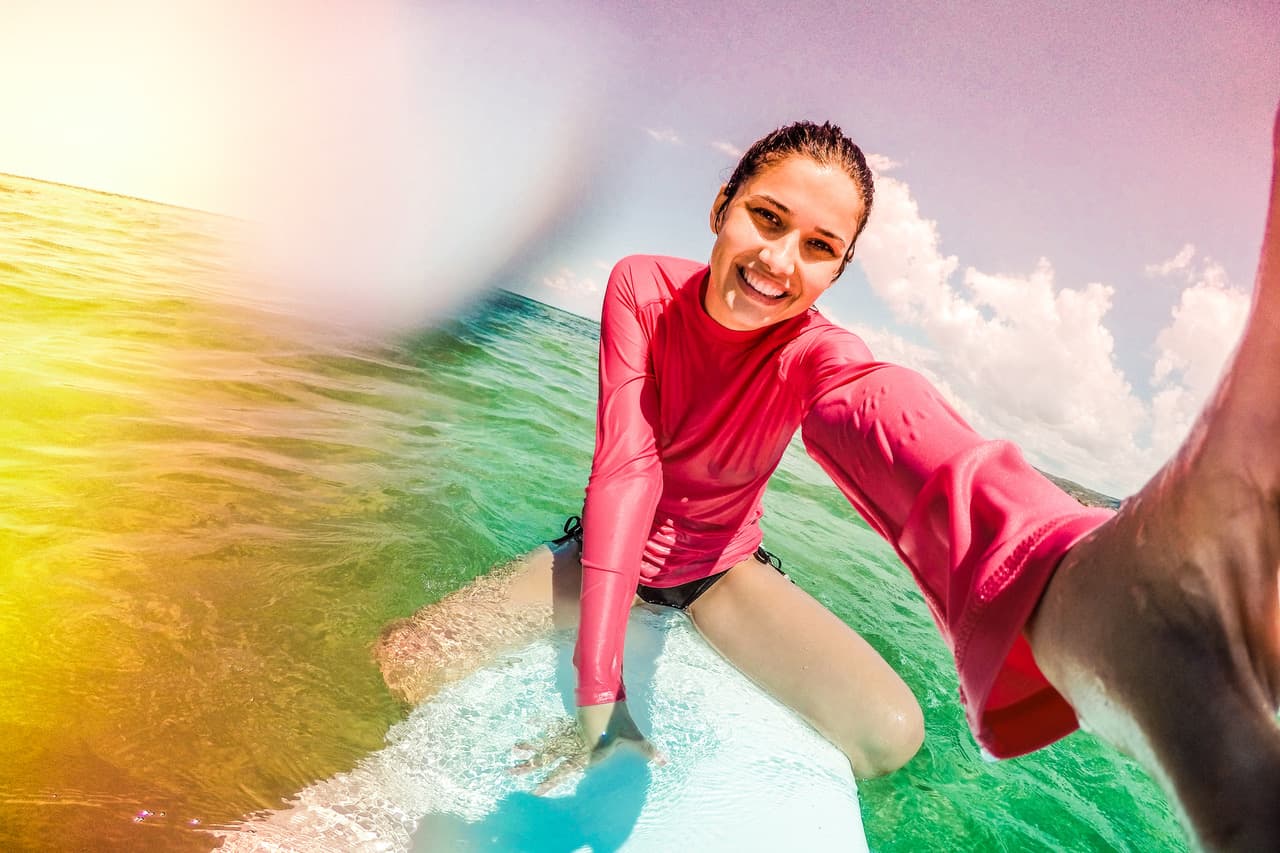
Basically, they want to show through the perfectly controlled body and the perfectly controlled appearance that they have their lives under control. They want recognition for that. They take selfies, use filters, post these pictures and then see if there are enough likes. If that works, they store it positively. If not, it will be deleted online again.
So many likes mean recognition?
That would be too short. A like means the satisfaction of at least two drives, the narcissistic and the exhibitionistic. A combination that used to be separated in clinical psychology. Narcissism is considered a severe disorder, those affected only love themselves and are hardly able to love others. The second component, exhibitionism, has always been more accepted in women than in men. The women say they don't show anything in revealing photos that they wouldn't show on the beach anyway. They wear bikinis, underwear, sportswear, all in seductive to submissive poses. The recognition is then what adds to the addiction factor.
Are you talking about addiction?
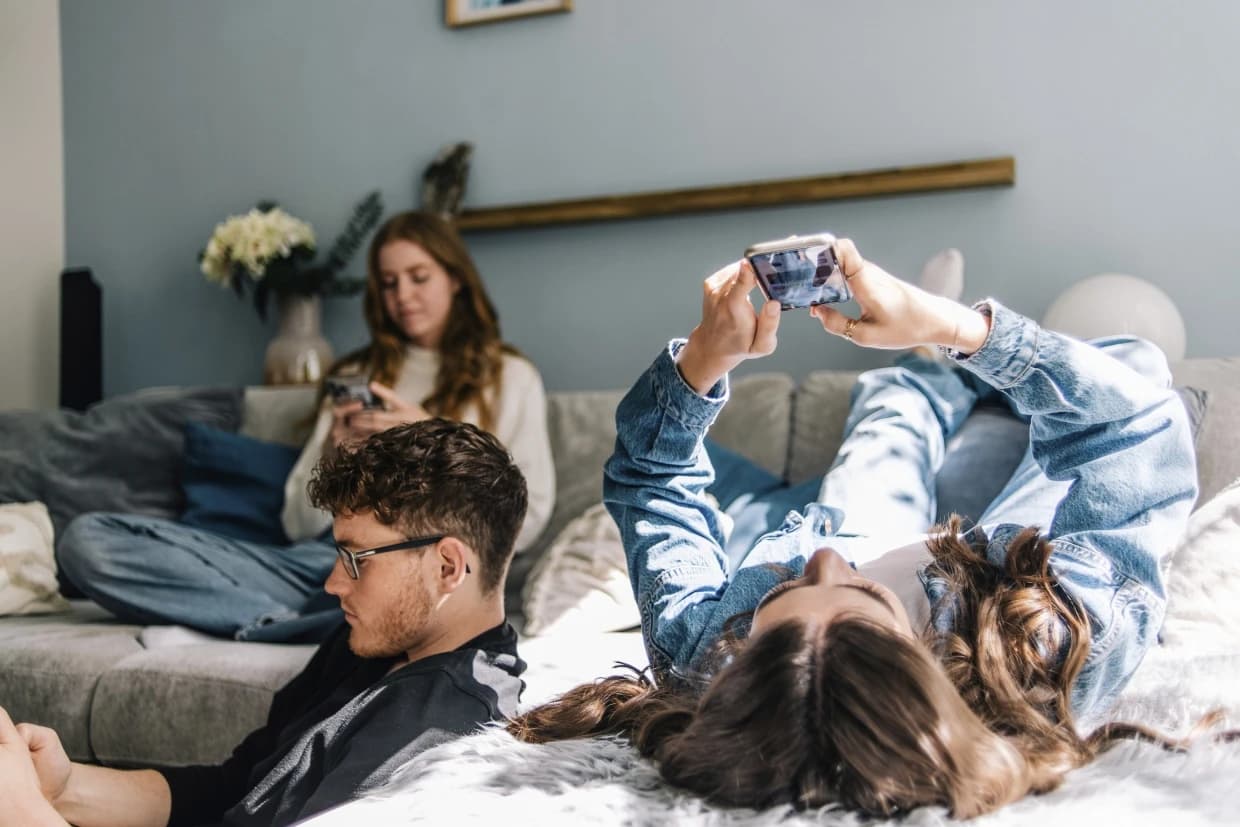
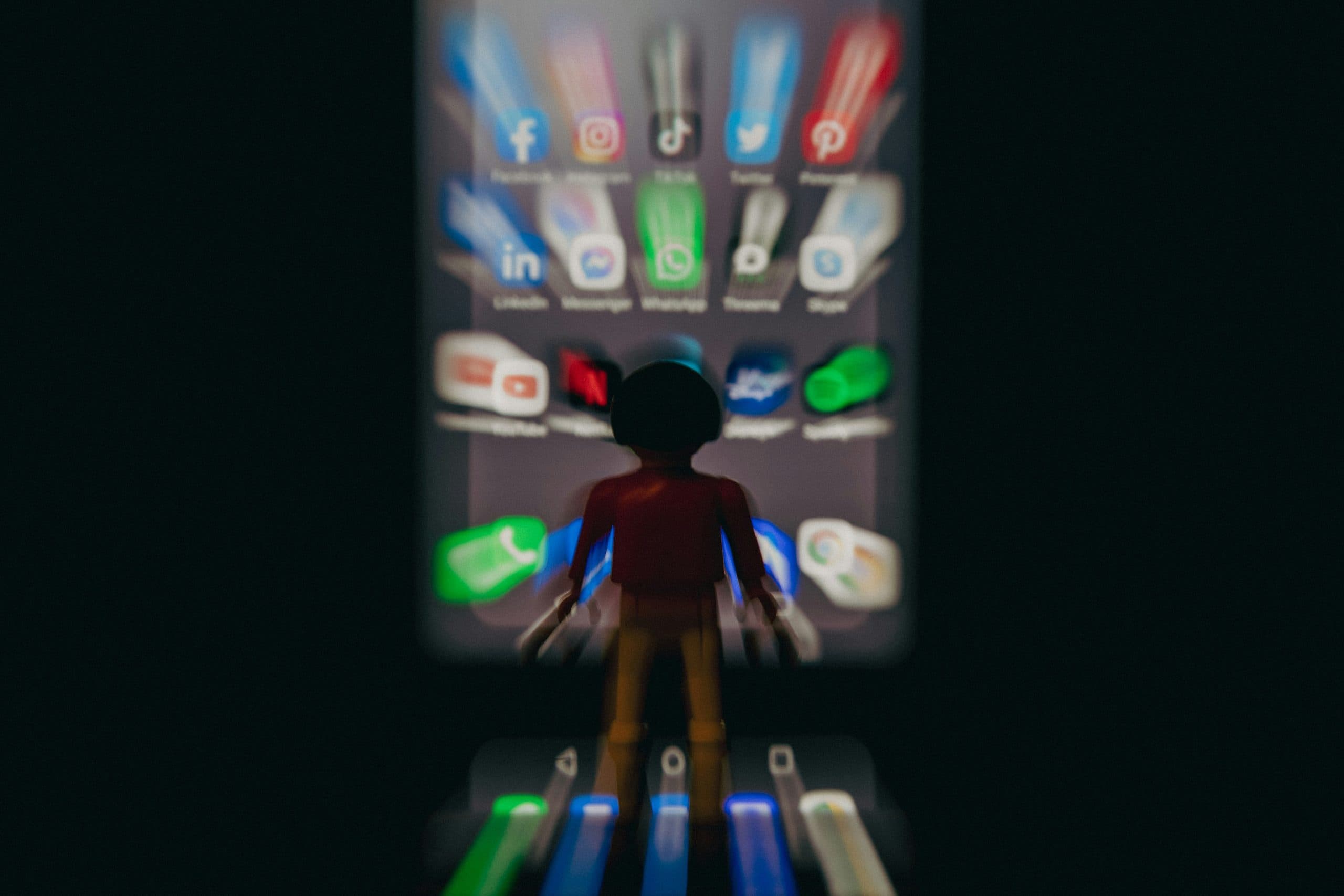
The eternal increase - more likes, more followers - leads to a kick and accordingly to an addiction. Many young people openly admit this. It's not just about followers and hearts, young people are almost all on Instagram for at least four hours, some even up to nine.
Is that still healthy?
As psychologists, we primarily observe new trends, draw attention to them and show what they mean. Personally, I see this addiction as critical.
Is the self-perception of young people changing?
Young people now believe that they are more valuable through likes. At the same time, however, they can hardly keep up with the perfectionism, the social media make them unhappy. Most, however, do not admit it.
According to studies, boys are less susceptible. Why is that?
They don't have the same pressure to be perfect as girls. Girls have to look good and sometimes even use optical filters for this. Conversely, they think - and that is certainly the factor that makes them more unhappy - they have to look in real life the way they do with the filters. This is a perceptual distortion that is very, very dangerous in the long run.
There is repeated criticism in social media that many influencers only generate likes through nudity. How can this "tactic" be explained?
The generation of today's 60 to 70-year-olds thought it was bad to be liked for looks. The motto was: You must never judge someone by their appearance. 70 percent of young people today say they can recognize a person's character by their appearance.
"The pressure to be perfect is extreme, nothing ugly or uncontrollable should be seen in the photos."
Basically, they are saying that if someone is well-groomed, has a defined body, uses the filters correctly, then that person shares my values, namely: control over life.
Is there a psychological explanation for this?
The already mentioned addictive combination of narcissism and exhibitionism. You quickly notice it yourself: If you publish a photo in which you are wearing a figure-hugging dress, you get completely different reactions than you would get with a normal photo. The increased attention further promotes the addiction to likes.
There are repeated demands to abolish the function of likes. How would a social network function then?
Not good. A large part of the pleasure that users derive from it would be lost. There would still be the function of following, but the dynamics of the comments and especially the likes is more central, that is also what is monetized by influencers.
Is the impression deceiving that young people dress more revealingly than years ago?
Young women are no longer ashamed to show themselves revealingly. They are showing that everything is going down the drain, but I have my body under control. This externality is a sign of this, young people sometimes show this a little more today. It's less about sexuality, but more about the body being an expression of personality and a sign of security and control. I find it more problematic that people are thinking about operations much earlier today.
And that is related to Instagram, among other things?
Yes, you want to adapt to the filters, to be as perfect as possible. The pressure to be perfect is extreme, nothing ugly or uncontrollable should be seen in the photos.
Are there other examples of impacts on society?
Sure, there are. 20 years ago, 14 percent of young people wanted to be famous, today it is 30 percent, more than double. Many say they want to become influencers, preferably also top models.
Is the fame of the teen idols of bygone days different from today's?
In the past, there was a greater distance to the idols. They stood on a pedestal, were stars. Today it is about being approachable and above all tangible. So there is a meet and greet on every corner.
Why do young people mainly use such forums?
In other social networks like Facebook, it's also about hate, politics, about nasty things, about profound things, so about serious things. Young people don't want that. They want the parallel perfect world where everything is good.
What distinguishes the current generation of young people from the previous one?
Ten, 15 years ago it was about deregulation. This generation was looking for the loss of control, they wanted to know if and how one can rebel, keyword binge drinking. Today it is about maintaining control. Young people drink significantly less, smoke significantly less. There is a deep existential longing for security.
Much is shared, even the most private moments. Is the boundary between personal and public blurring?
Really private would be if the mother is sick, if the baby cries or you have an argument with your boyfriend. The published photos seem supposedly private, but that is standardized and shows almost only beautiful things. So the vacation, Christmas, the wedding, the first steps of the child - only the good sides of life. If they don't like something anymore, they simply delete it. Young people only show what they feel is positive about themselves.
What advice do you give parents who have a problem with their daughter putting on make-up or going to school in a crop top?
Parents have to understand that this is not superficiality for their children. They are processing an inner problem with it. If they paint their nails and cover up pimples, they have at least gotten that under control. If parents understand that this is an expression of an existential need, they are one big step further.
And what do you recommend to parents for dealing with their children and young people with social media?
It is important that there are rules. Society has no guidelines for social media as it does for alcohol or pocket money, for example. There are simply no guidelines that say up to here it is healthy, then no more. Everything that has addictive potential needs measures that you can stick to. You will have daily arguments with your children. In psychology, it is always about the struggle for the rule. The crucial thing is not to give up.
And how do you handle that with your family?
I have four children. My twelve-year-old has a smartphone, but is not allowed to take it to school. But of course she has already tried that. Then it's gone for now. The more often that happens, the longer the phone stays with me. At our children's birthday parties, I collect all the things. The guests find that strange, but they don't need to meet if they are all just staring at the display.