constitutional marketing & target groups, publications, culture & society, business & economy, beauty & fashion
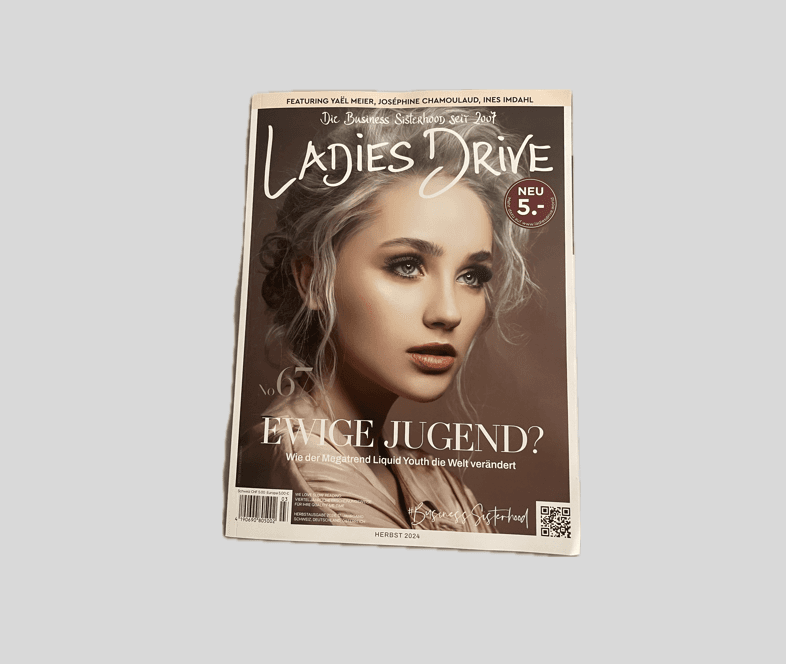
Why we need a fresh perspective on aging: Ines Imdahl in Ladies Drive Magazine No 67
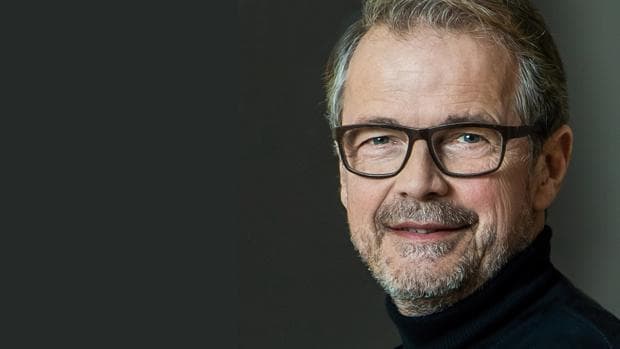
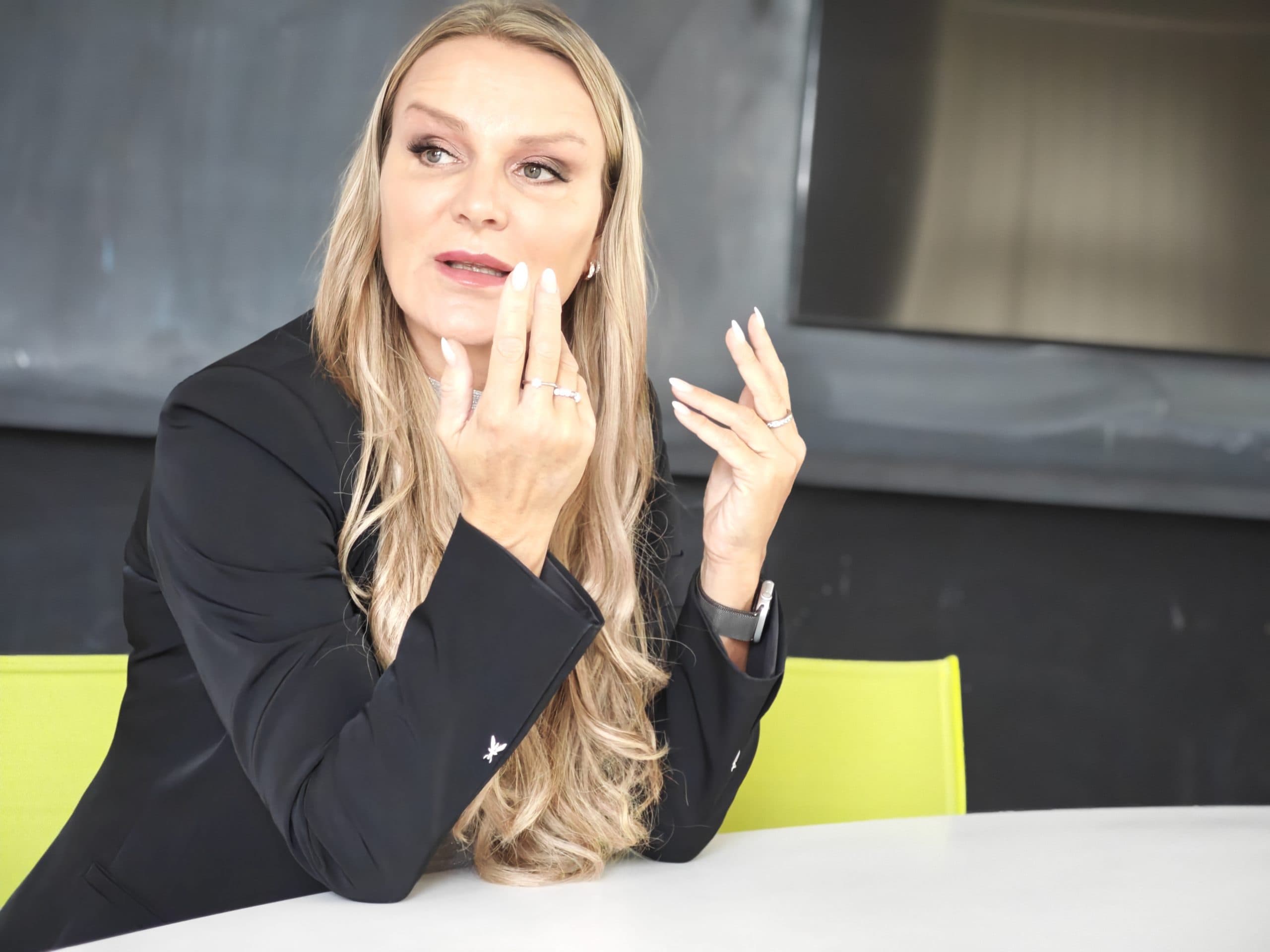
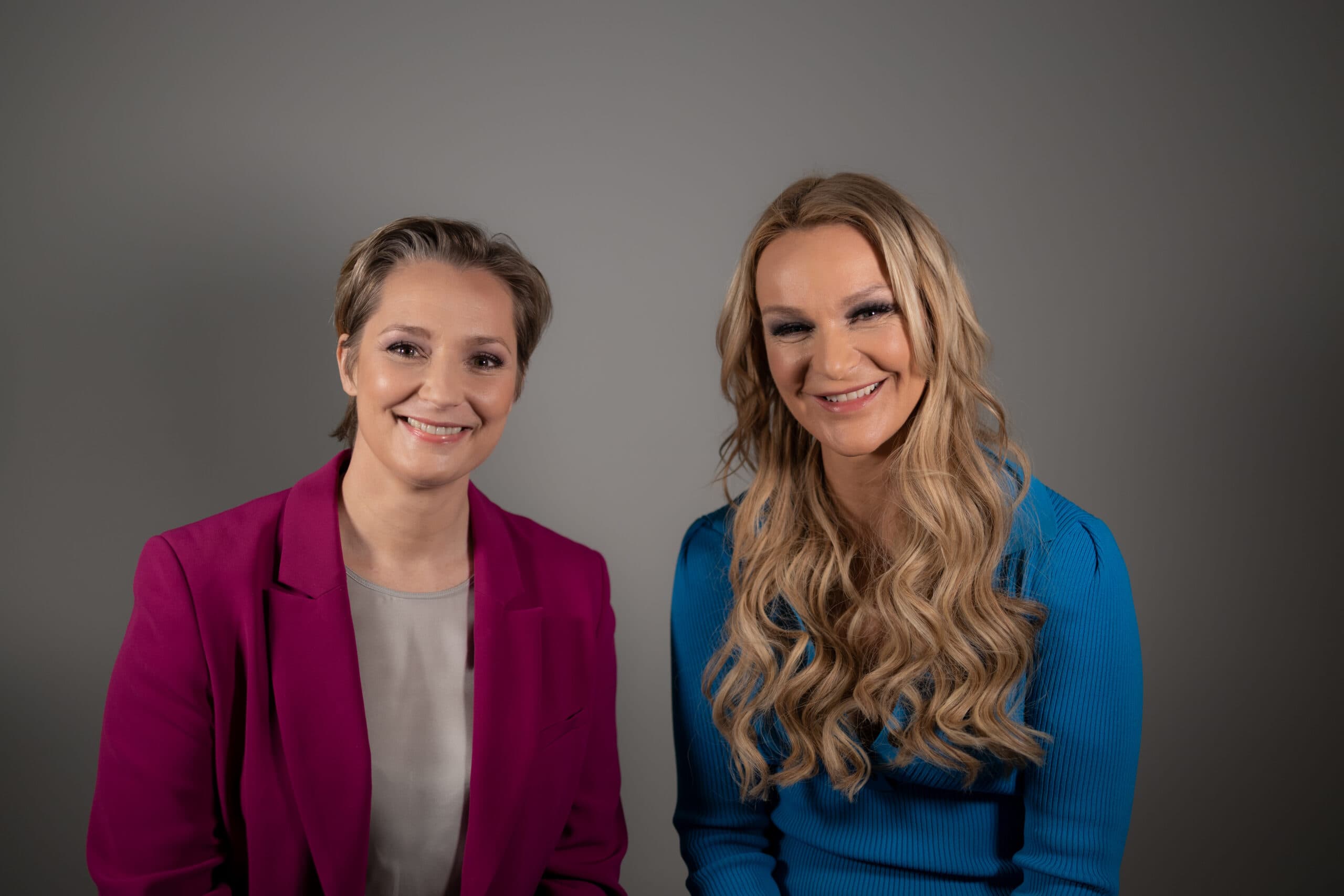
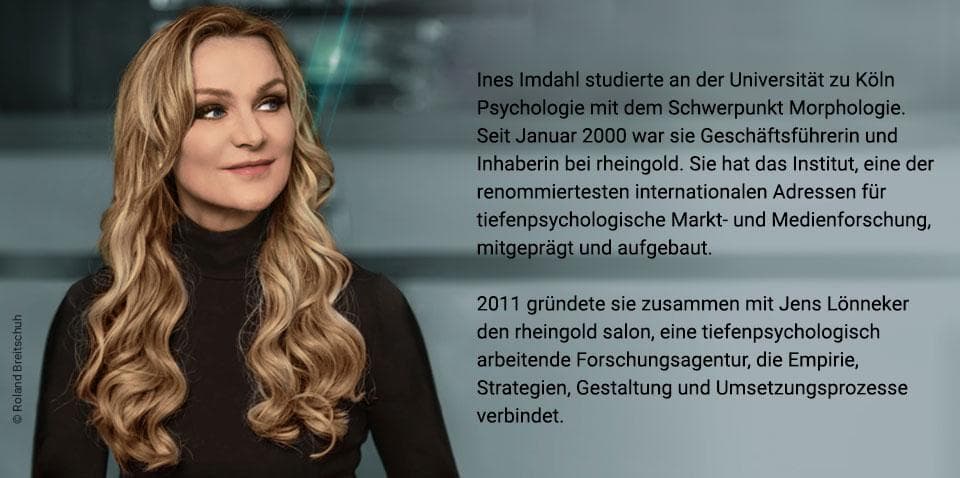
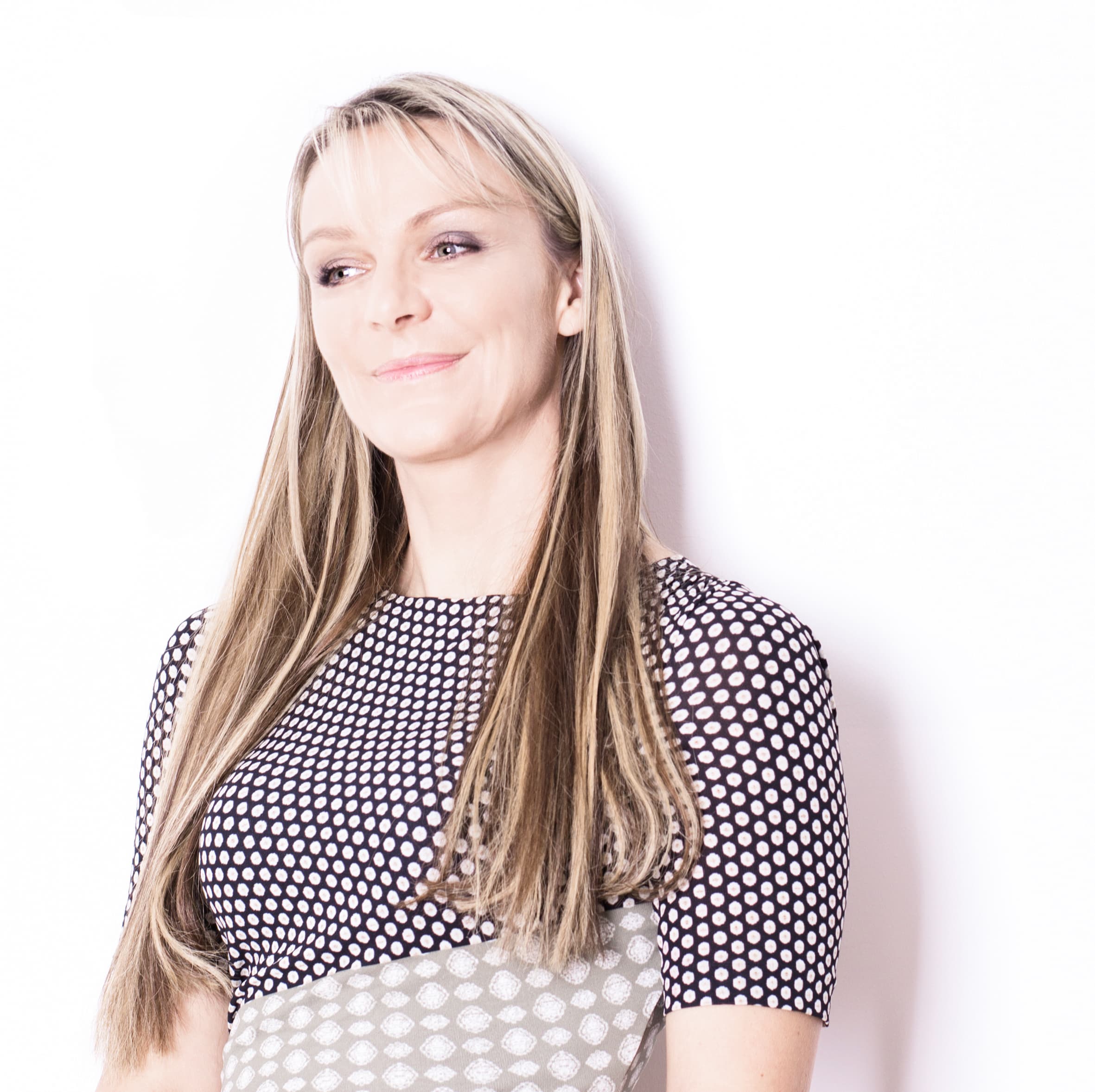
Ines Imdahl
The megatrend 'Liquid Youth' appears on the surface to be a pure cult of youth. However, a look at depth psychology shows that this new longing for immortality is not just about 'liquifying' something transient and, in principle, unrepeatable like youth. Ines Imdahl was interviewed on this current topic for Ladies Drive Magazine No. 67, which has been available since September 3, 2024. You can read the full interview here. The questions were asked by Claudia Gabler.
The longevity business is cheering, while half of society is almost breaking down: aging is seen as a deficit. As a flaw. Only youth counts. What does the demand for eternal youth mean for our psyche? Where does the longing for immortality lead us? Is it really over at 50+? Psychologist Ines Imdahl knows the answers - and wants to give aging a new value. As a psychologist, what do you understand by "Liquid Youth"?
Ines Imdahl: From a depth psychology perspective, there are interesting images in the term "Liquid Youth": something transient and, in principle, unrepeatable like youth is to be "liquified". Youth, symbolically bottled in test tubes, becomes available to older people again. The increasingly popular blood plasma transfusions, which are supposed to stop brain aging, from younger to older people, show the secret idea of "liquid youth" particularly clearly. People have always desired what was not unlimitedly available or transient. And they have always tried to reproduce it. Liquid youth is like the gold of modern times. Our culture puts in a similar effort to artificially produce youth as the alchemists did in the past to produce gold. Through the almost magical image of liquefaction, youth becomes mobile and can seemingly "flow" everywhere - even into old age.
Where does this megatrend come from? What are its causes?
Ines Imdahl: Power, influence and importance are nowadays linked to youth and beauty. Visible youth today symbolizes the longing for immortality. This in turn is as old as humanity itself. However, it was by no means always linked to being young. Religious ideas of the resurrection of the body or the ascension of the soul serve the same longing for immortality. In Western cultural circles, however, promises of eternal life in the hereafter are no longer as important as they used to be. Today, belief in eternal youth is linked to earthly advances in medicine. Paradoxically, this is often accompanied by magical ideas of effectiveness. Hardly a day goes by without miracle pills, injections or treatments against aging coming onto the market. Our strong belief in progress, coupled with the desire to really "liquify" youth, leads to a kind of magical thinking. Almost everything seems possible. And it makes it all too easy for us to believe that everything that glitters is gold when it comes to promises about staying young.
Where do you see dangers, especially for women?
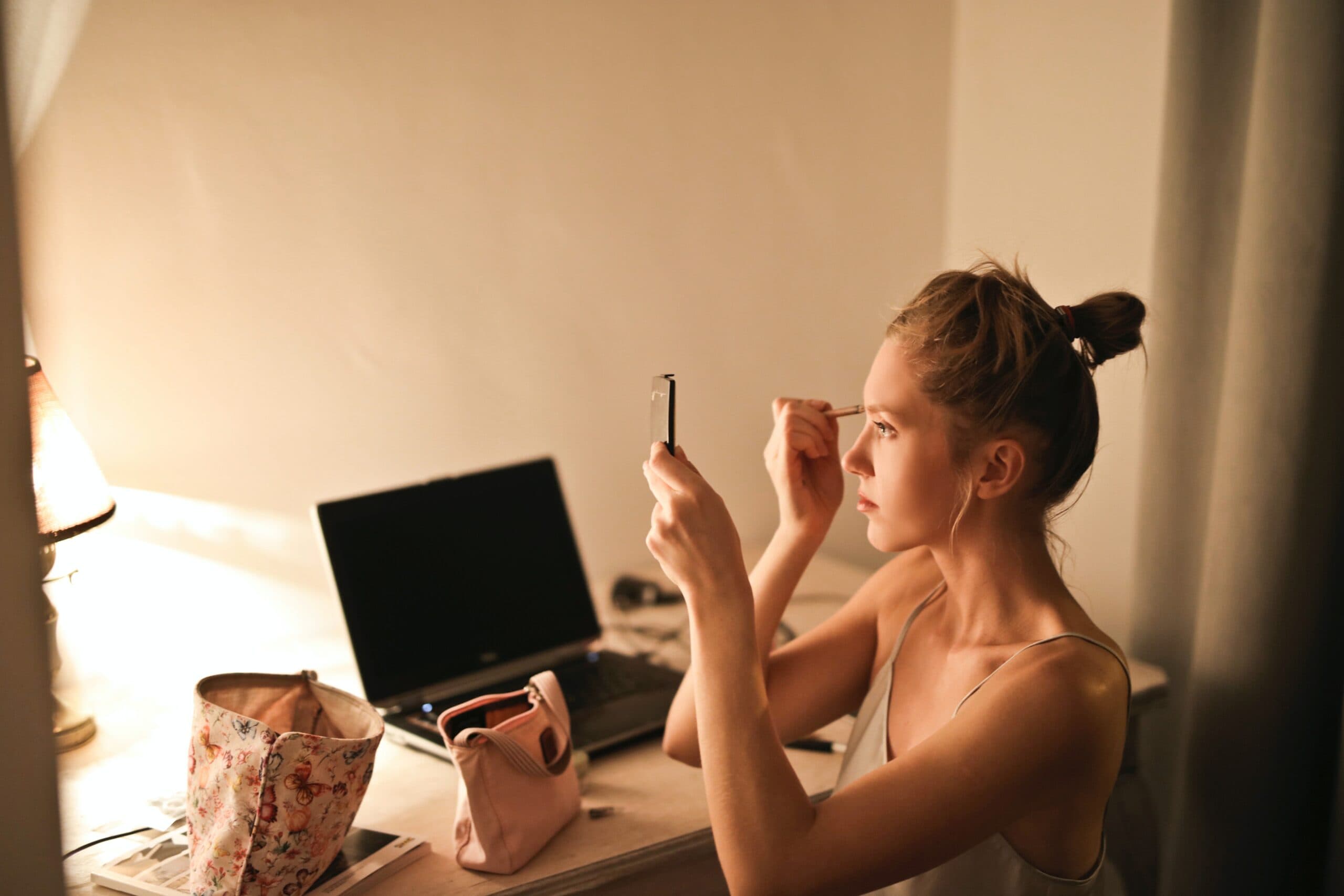
Ines Imdahl: For women, the pressure to use the opportunities, to do what is possible, is much greater. This is because youth is much more closely linked to the issue of beauty. Women are still - unconsciously - given the message that they have to be attractive in order to find a partner or a job. Competence or good character are less often decisive here. More is said in public about the appearance of women than about all other achievements. Women themselves often - also unconsciously - measure their worth by their appearance. Many (social) media openly denounce when a prominent woman shows an additional sign of aging somewhere. Despite all body positivity, looking old seems to be increasingly becoming an imposition. Of course, there is also mockery when beauty looks too artificially produced by Botox or plumped-up lips. Youth and - apparent - naturalness are the ideal.
Do you also see opportunities?
Ines Imdahl: Despite all the criticism of the focus on external appearances, which I share, Liquid Youth brings new scope and degrees of freedom for women. Age norms and rules of conduct are also becoming fluid, and longevity concepts not only help to look young, but also to grow old healthier.
You are currently conducting a study "50+ and the end". What is the background to this study?
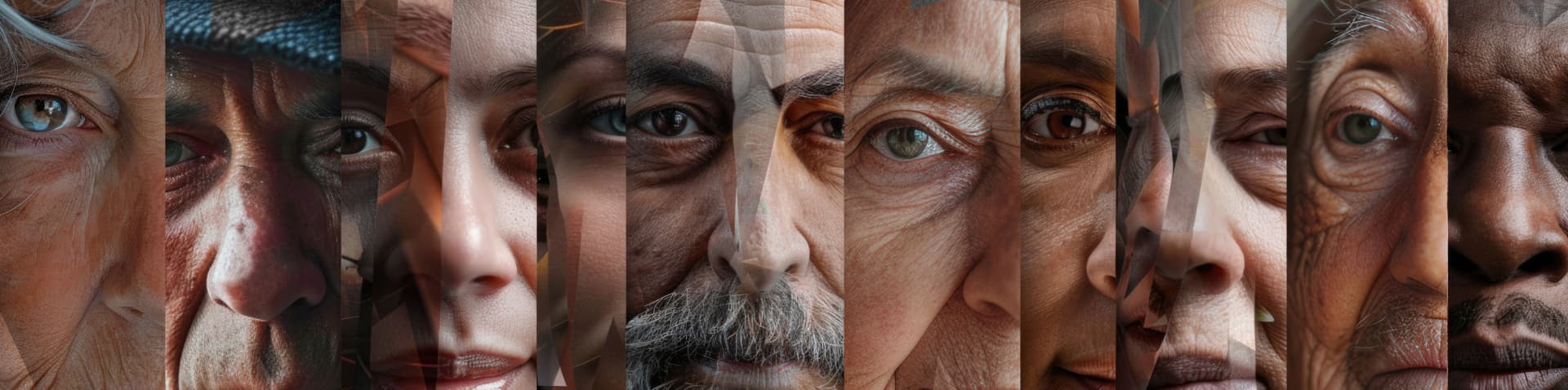
Ines Imdahl: The idea of the study is based on giving aging its own new value. Because we currently have no positive image of old age. It is worthless compared to youth. Also because it will become more and more frequent. But should it therefore be unattractive? In around five years, around 50 percent of people in the DACH region will be over 50. In addition, all people aged 50 plus are thrown into the same pot. While we have a differentiation of target groups in 10-year steps in companies and advertising, people older than 50 are in a target group with their own parents! At 50, you are just as far away from 20 as you are from 80. Advertisers, brand providers and also personnel recruitment consistently focus on Gen Z. Young is not just a trend, but the measure of all things. We think that's reason enough to initiate a counter-trend, to clear up prejudices and clichés surrounding aging.
What does that mean for us as people, as entrepreneurs, as managers, as a business location, as a company or as a community?
Ines Imdahl: We can leverage much more potential if we don't always only attribute a lack of youth to being older, but an added value of experience, knowledge, pride and composure. In the past, people who reached a certain age were admired. We should return to this pride and understand that every phase of life has a meaning and added value. And not just that a large quantity makes something less valuable than something rare. On the contrary: it can also be seen as a great strength for companies and our society. Many brand providers, for example, believe that they absolutely have to win over Gen Z in order not to die in the medium term. But they can give themselves an immediate extension of life simply by focusing on older people - of up to 30 years. Hardly any company plans much further ahead than that.
People are supposed to go to work for longer and longer, but those over 50 fall through the AI grid of the HR departments. What needs to be done here?
Ines Imdahl: AI is part of our sometimes unquestioned belief in progress. It is given an almost religiously blind trust. Decisions are rarely questioned. That is precisely the problem: AI should not decide. It is not an infallible God. It makes incredible decisions because it can only calculate and learn what it is fed with. In the meantime, it is also clear that AI is more likely to reinforce existing discrimination than to resolve it*. AI should - regardless of where - function as support and workload reduction. But never make independent decisions about jobs, loans or even sentences without the possibility of human intervention.
What kind of leadership is needed in our "50 over 50" society?
Ines Imdahl: This may sound simple, but my answer is: human leadership. Leadership that takes into account all the advantages of being human: diversities, different strengths, empathy and sensitivities. It is precisely through human errors, through the imperfect and the unpredictable, that we develop and learn together. Perfection is not only boring, but also a development killer.
Do you have three recommendations for our readers on how they can deal with aging constructively?
Ines Imdahl: 1. Understand the youth trend as a personal opportunity to increase your own degrees of freedom. Because the feminine is often - unconsciously - still trapped in many conventions.
2. Do not allow yourself to be put under additional pressure by the youth craze, but only use what makes you personally happy and brings you joy.
3. Start a counter-trend to enhance the value of age. After all, everyone gets old! Everyone can participate in the counter-trend, within themselves and in their personal environment. Because: whoever thinks they are too small to make a difference has never slept in a room with a mosquito.