publications, advertising & communication, culture & society
The Oldest Profession in the World
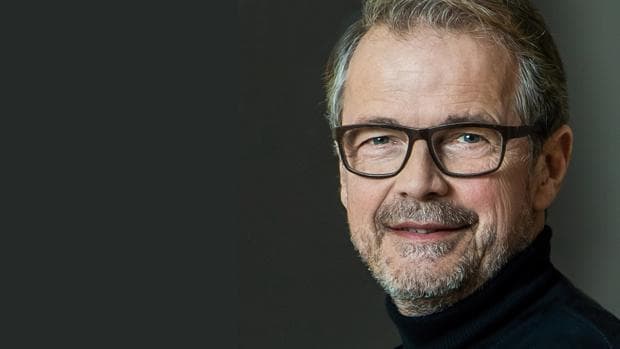
Ines Imdahl
Or: you can't not advertise...
There is no denying that commercial advertising has a goal. It wants to convince us of a product, a brand, a purchase or an action. For example, donating blood or using public transport. In fact, it is not always a purchase that advertising wants. And it also becomes clear that we also do it, advertising. From a psychological point of view, advertising is not limited to the commercial sector. Rather, advertising is a fundamental part of our actions and human communication in general. We all advertise virtually every day and every hour – always and everywhere. We advertise for our partners, our employees and friends. Not only to acquire them as life partners or colleagues, but also with and for a lifelong togetherness, every friendly word, smaller and larger support. We advertise our opinions, positions, values and world views in every conversation and with every sentence and even with every gesture, every smile. Even the missing smile, the angry look can be advertising. Even negative advertising is advertising.
We try to cleverly and often manipulatively convince our children to brush their teeth. Healthy teeth as a “purchase incentive” for the tooth brushing argument often have much less effect than the threat of not being able to become a pilot if the teeth fall out early. Our house in the country, our interior design and our clothing style are all advertisements for our way of life. At the same time, we are advertising to be perceived in a certain way. We want others to see us in a certain light, to think something specific about us. This is real image advertising. We are constantly carrying out exactly the type of manipulation that we sometimes accuse commercial advertising of. Advertising, in the actual, but definitely positive, sense, is the attempt to influence or even manipulate.
Contrary to other assumptions, it is not prostitution but advertising that is the oldest profession in the world. Before there can be a paid act between people, at least one of the two, usually the female part, must draw attention to themselves through advertising. Advertising media here are often high heels and hot pants, but above all the carnal 'capital'. In particular, this is intended to 'manipulate' the usually male part in such a way that it is 'bought'. Thank God, for the most part not the woman as a whole, but the body linked to the service for a limited period of time.
Advertising is at the beginning of pretty much everything. Nothing really works without advertising. Love advertising in particular, and ultimately the continued existence of humanity, existed even before we knew about commercial advertising in its current form. And every trade, regardless of the age of the respective trade, always contains the request “advertise”!
And if we fall silent? Well, then the knowledge that Paul Watzlawick already explained in his communication theory applies: You cannot not communicate. It can easily be transferred to advertising. Because even if we say nothing, we are advertising an attitude. For example, silence is golden and speaking is only silver. Even a brand that deliberately avoids advertising is practicing a certain form of advertising. And sometimes less is more for brands too. Especially when we otherwise have the feeling of being too “penetrated” by the advertising. Because it doesn't understand us as whole people who want to be courted like in love advertising, but as an anonymous target group that needs to be contacted as often as possible.
So even if we wanted to, we can't not advertise. And that's really a good thing. Because the supposedly oldest profession ultimately makes a significant contribution to the continued existence of all of humanity. Not just in a physical way. Rather, advertising is a human form of communication that expresses our social values, dreams, myths and attitudes and thus ultimately keeps our culture alive. And it appears in surprising, often unexpected places: for example and above all in ourselves.
A Handelsblatt column by Ines Imdahl