publications, culture & society, digitalization & media
"Classic television is for many a window to reality"
lönneker & imdahl rheingold salon
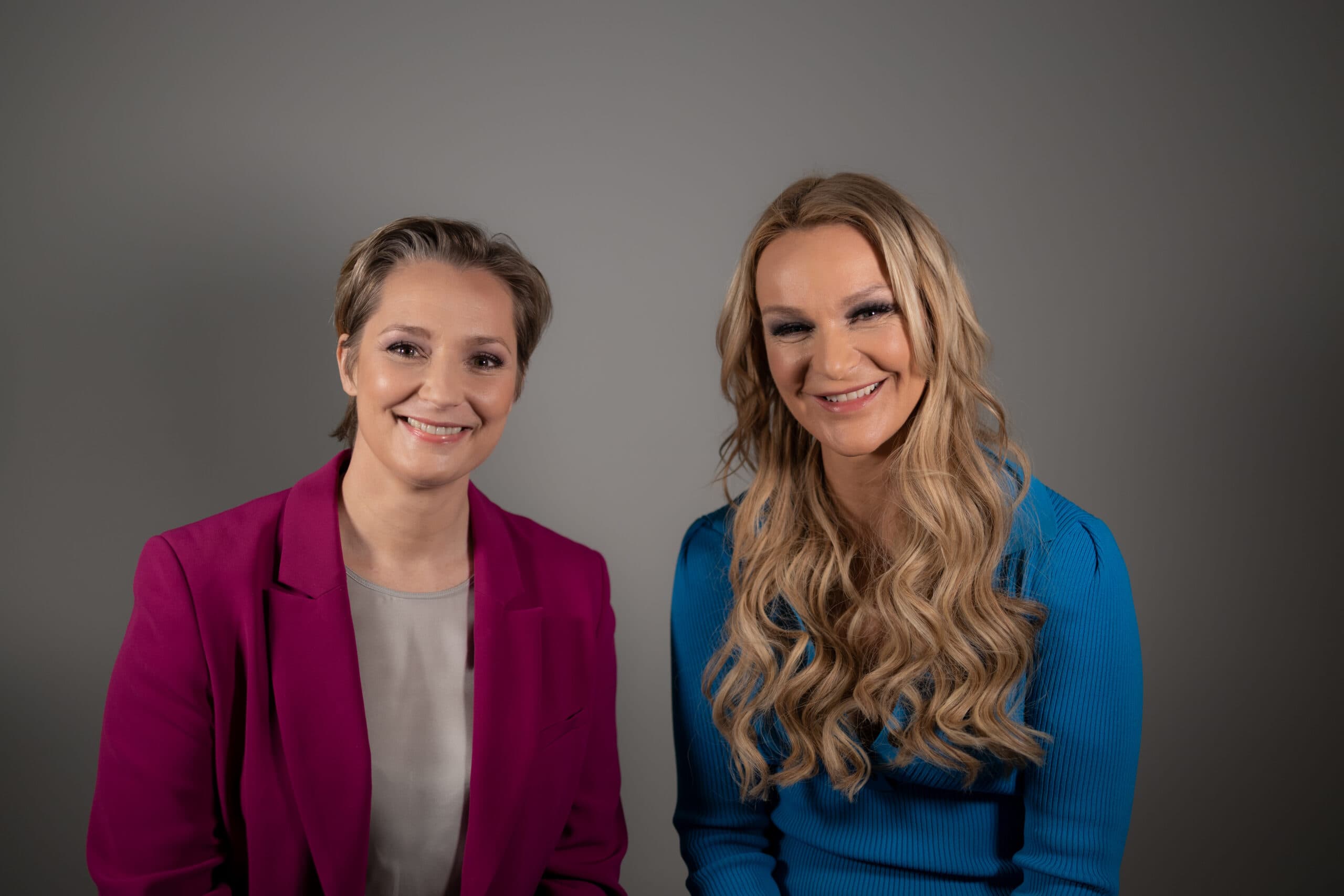
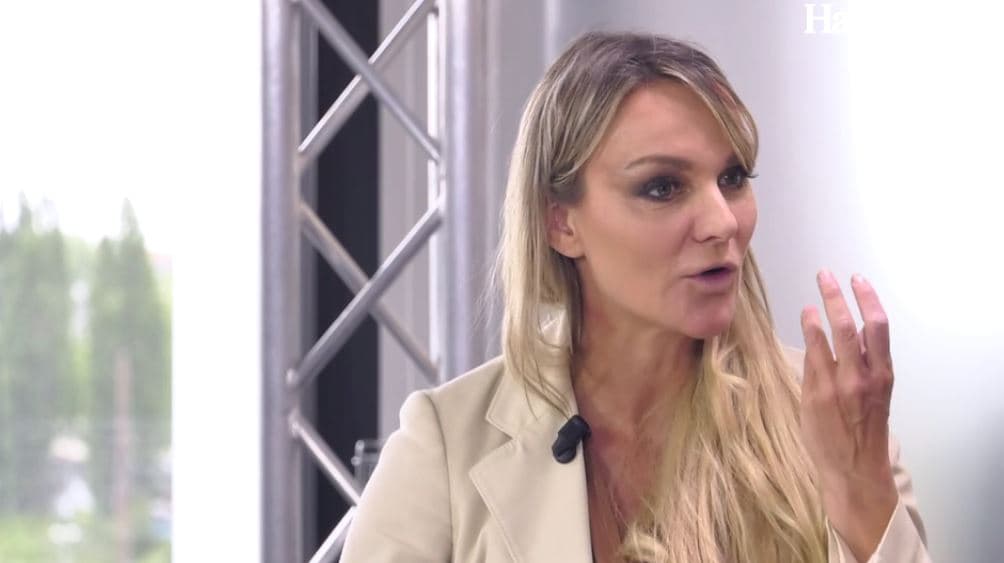
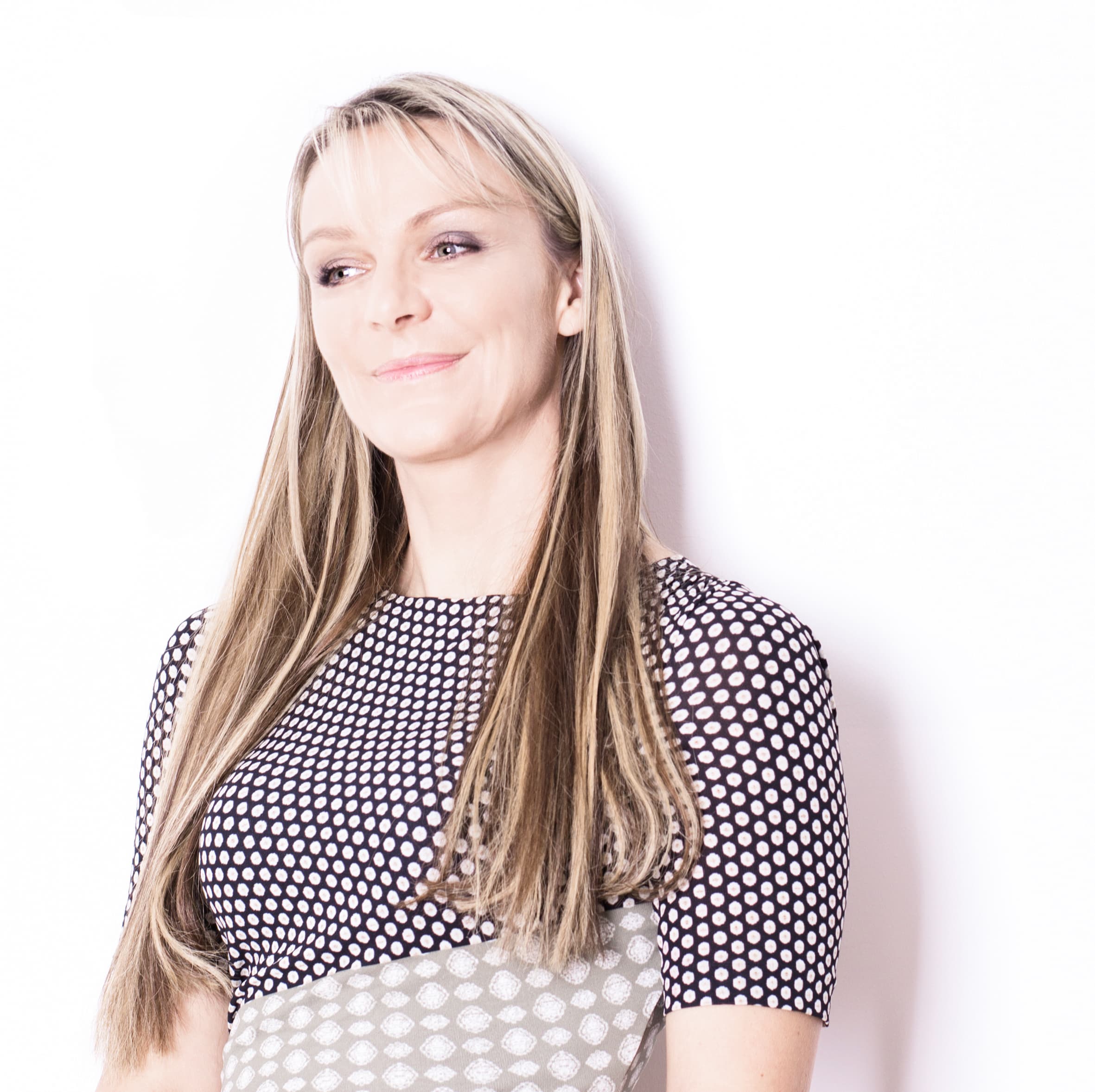
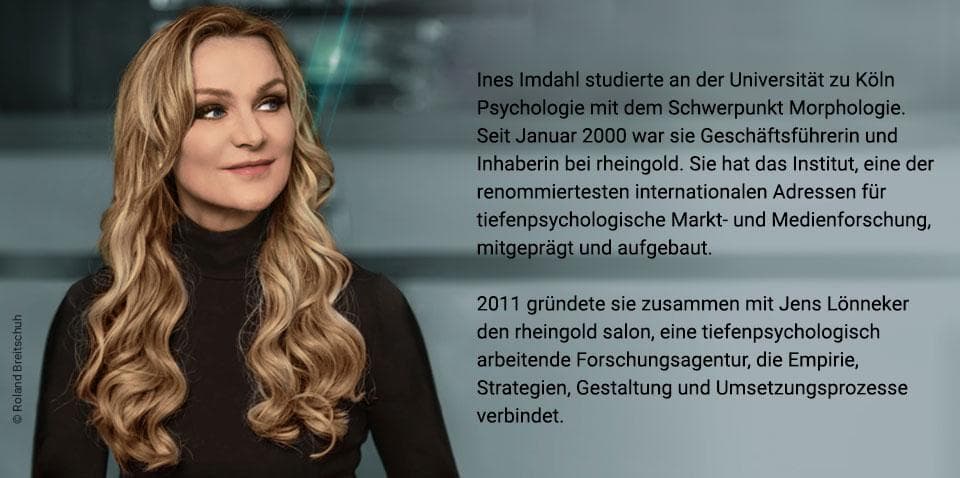
Ines Imdahl was a guest in the new Research section "Out of the Box" by Seven.One Media. Here is the interview in full:
In a depth psychological study, you examined the motives for using various moving image platforms - is television not the same as television, no matter how big the screen is?\
\
Ines Imdahl: No, not at all. If you ask exactly, you will find that there are very different reasons why people watch certain things - they have different starting points and pursue individual goals. Even watching television on the big screen in the living room is characterized by very different user constitutions.
What are these, for example?\ \ Imdahl: Linear television has developed into a companion that increasingly takes away our loneliness in Corona times. As an everyday helper, TV can replace chatting with the neighbor and ensure that things at home are easier. For many, classic television is a window to reality, while Netflix, for example, is more about forgetting reality.
Many are longing for that right now.\ \ Imdahl: Many use Netflix to completely escape from reality. We have found that people who watch a lot of Netflix get significantly less information from the news and from the world. Of course, this is often desired at the moment, because for many the reality is becoming increasingly difficult to bear.
Isn't escapism also an important motive for media use even without Corona?\ \ Imdahl: I am rather careful with this term. There are many different forms of escapism. Vacation, for example, is also escapism, but it is not about forgetting reality, but about recovering for reality. With Netflix, viewers want to block out reality, which has already been confirmed in previous surveys. From a psychological point of view, this complete immersion is certainly not desirable.
And television provides more structure?
\
Imdahl: It gives us a chance to maintain a life that is not possible at the moment. Whether it's cooking formats, shopping programs or the big live show - you want to interact with people and share their experiences. We have been living in a state of emotional bewilderment since Corona. We all have to restructure our everyday lives every day, because the “New Normal” that is so often invoked by many does not yet exist. In fact, linear television, with its structure around news broadcasts, the local and entertainment, is something that gives us a framework and composure.
The smart TV in the living room now includes not only TV providers, streaming services and media libraries, but also YouTube, Spotify and social media applications. Are they all competitors for relaxation in the feel-good oasis?\ \ Imdahl: It doesn't depend on the comfort of the armchair in which state the media users are in. Our research has shown that lean-back, i.e. the classic cinema constitution, where you make yourself comfortable in front of the screen after work, is becoming increasingly rare. For TV viewers, everyday accompaniment is the increasing constitution. In contrast, YouTube, for example, is more likely to be used to find out how something works: What can I buy? What can I wear? How do I renovate my living room? These are usually shorter films that are very active. That doesn't change just because they're running on the big screen.
The 14 to 29 year olds are showing the first signs of saturation with streaming. In return, the 30 to 49 year olds are really stepping on the gas again. Have the parents adopted their children's media usage during the lockdown?\ \ Imdahl: To some extent that is certainly the case. If you have more time available, you look in different directions. You might even watch a complete series on Netflix in one afternoon or show the children on Amazon Prime Video the classic feature films that you know from your own childhood. Many parents in the lockdown also started to take more interest in what their children are doing. You might also take a look on YouTube to see what kind of teenager is throwing Cartier watches around or why Twitch is so interesting for the younger generation. The constitutions of the children are attractive and can be learned.
How can TV providers stay on the ball here?\ \ Imdahl: Looking into the future means for me not thinking in target groups, but in constitutions. The media and the constitutions in which they are used are constantly evolving. People are also developing into new constitutions. It is important to understand these constitutions, to pick them up and to integrate them into existing and new formats.